Remediation and treatment
What actually happens in a mould remediation
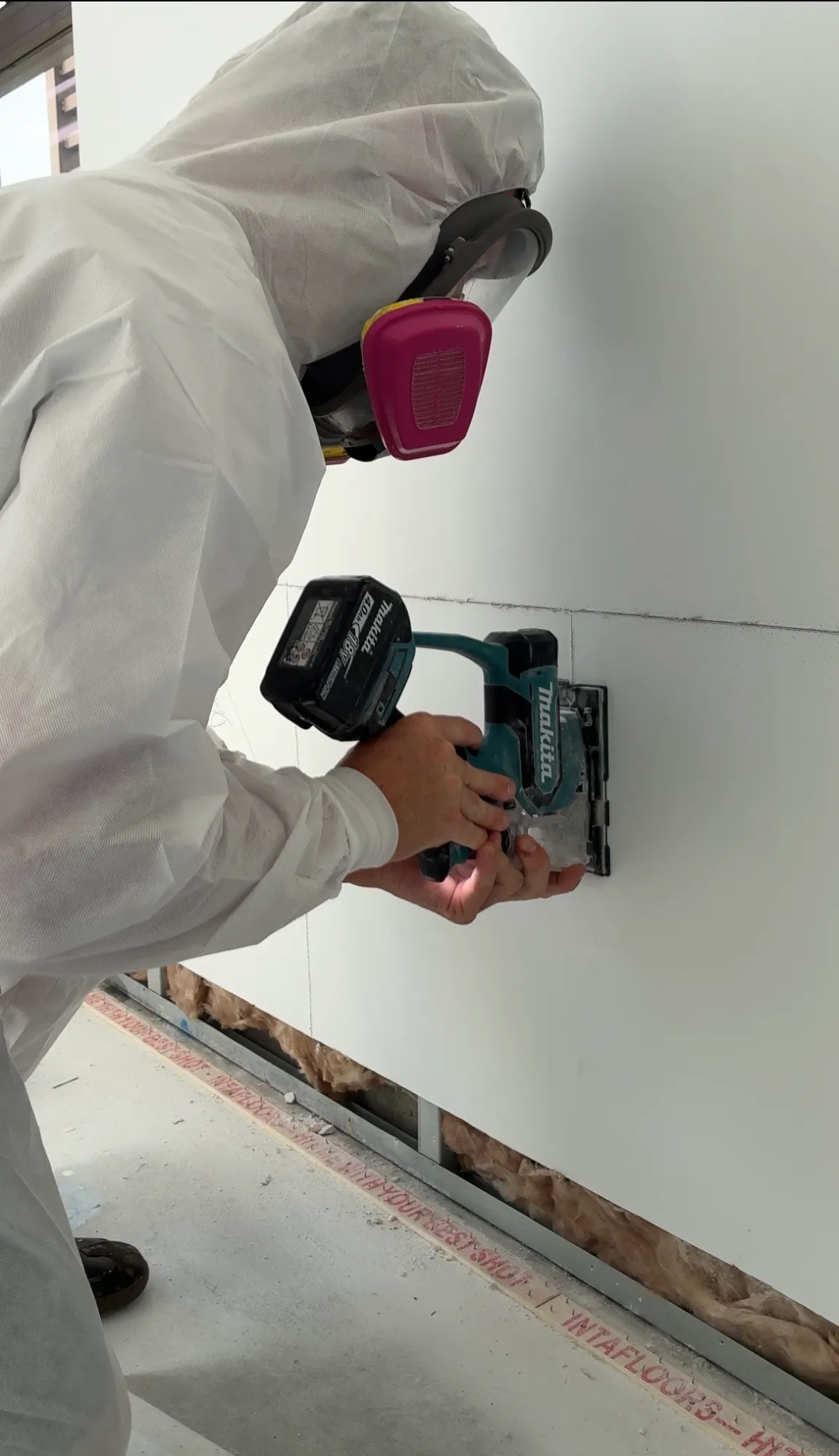
About one room in four needs removal rather than treatment. What that job involves: containment, negative air, what comes out, the clean, and who verifies it.

Mould Mates
Written from the jobs themselves. What we find on the Gold Coast and in the Northern Rivers, why it happened, and what actually fixes it.
About one room in four needs removal rather than treatment. What that job involves: containment, negative air, what comes out, the clean, and who verifies it.
Four rooms of mould in a short stay unit and nothing wet anywhere. Why holiday lettings grow it between bookings, and what the readings showed.
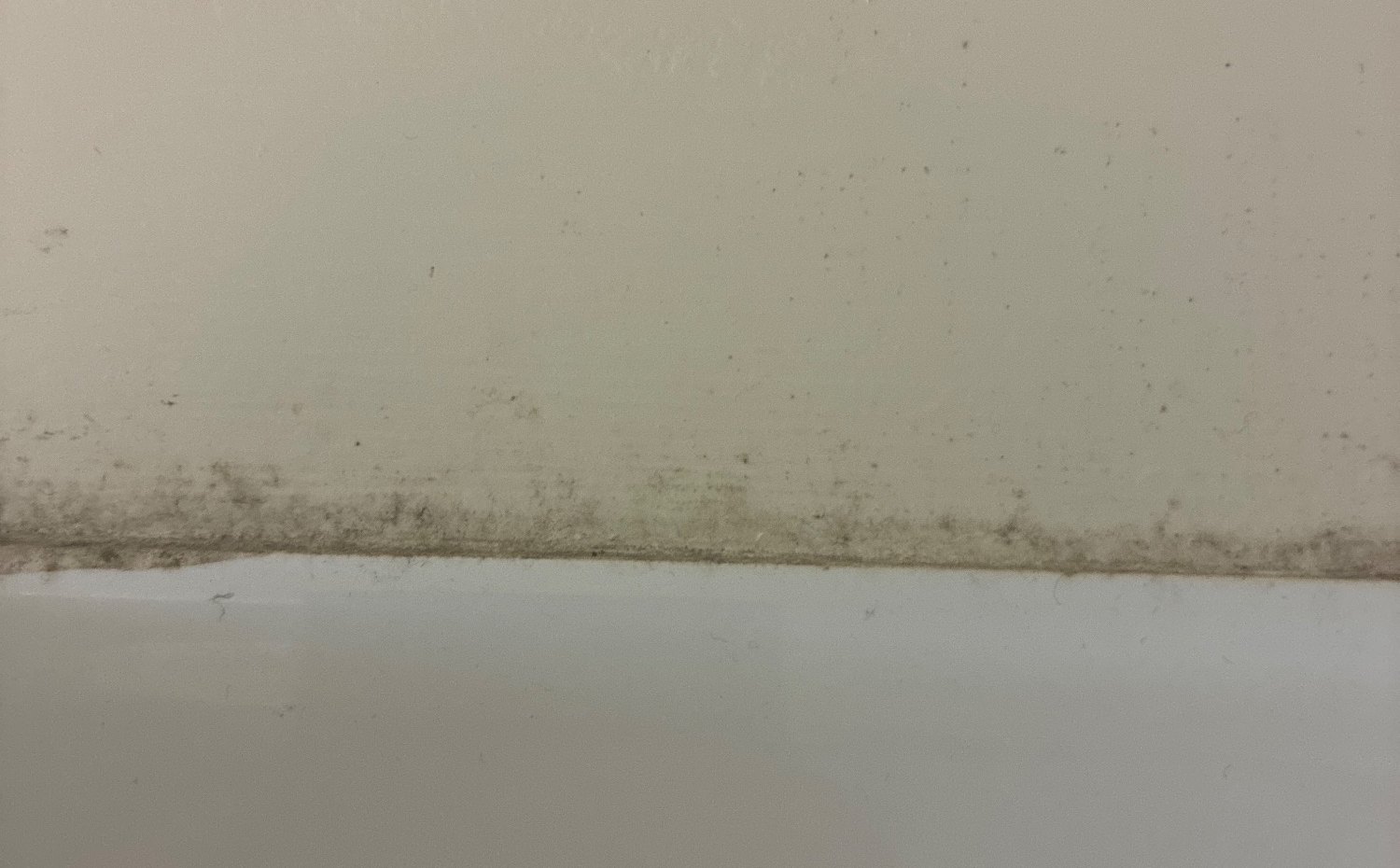
A building and pest inspection flags mould without quantifying it. Two real jobs, one Condition 1 and one Condition 3, and why the timing matters more than the result.
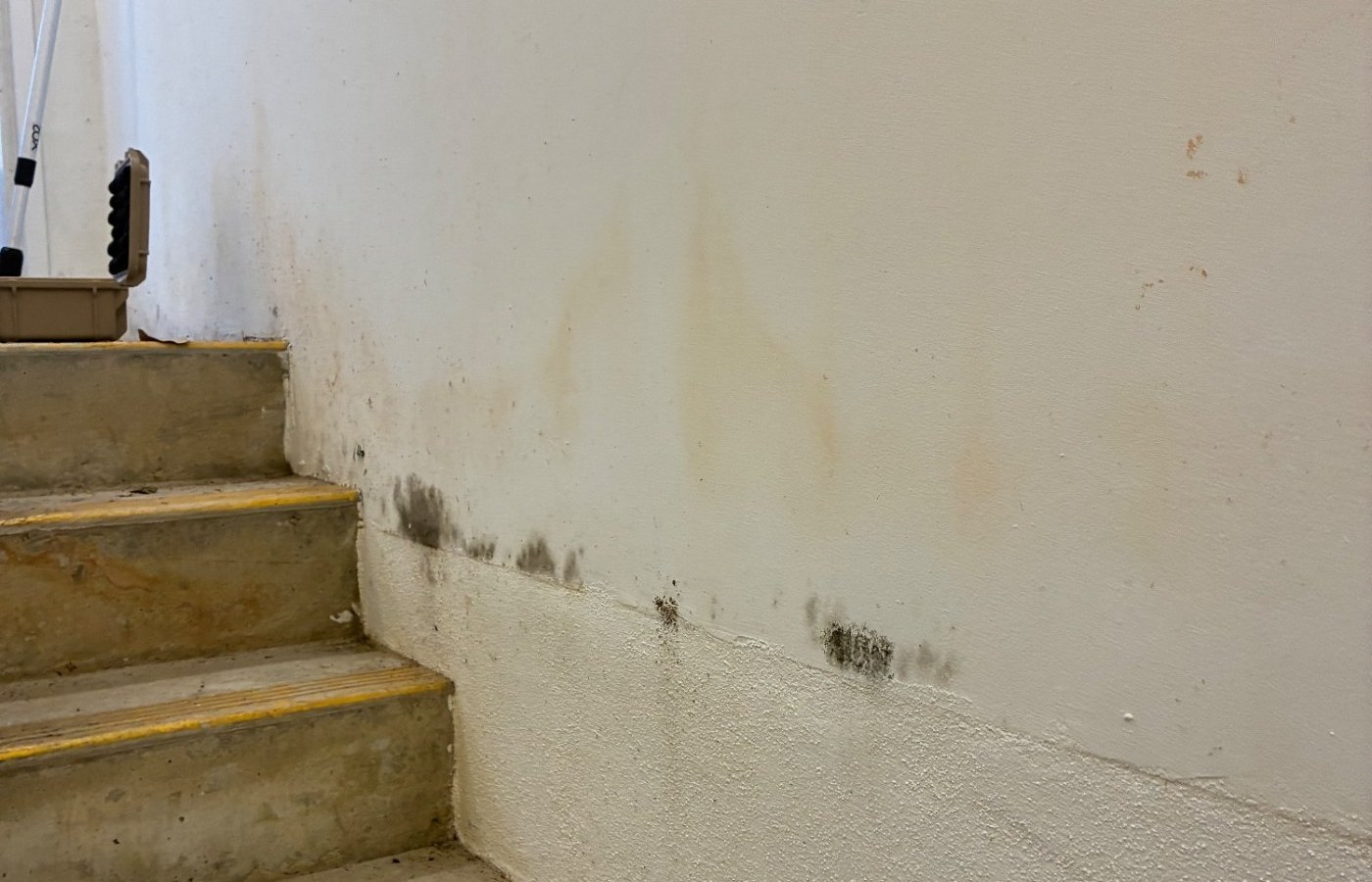
Fire stairs are sealed by design, so water that gets in has nowhere to go. A Southport stairwell, what the readings showed, and how strata and commercial work differs.
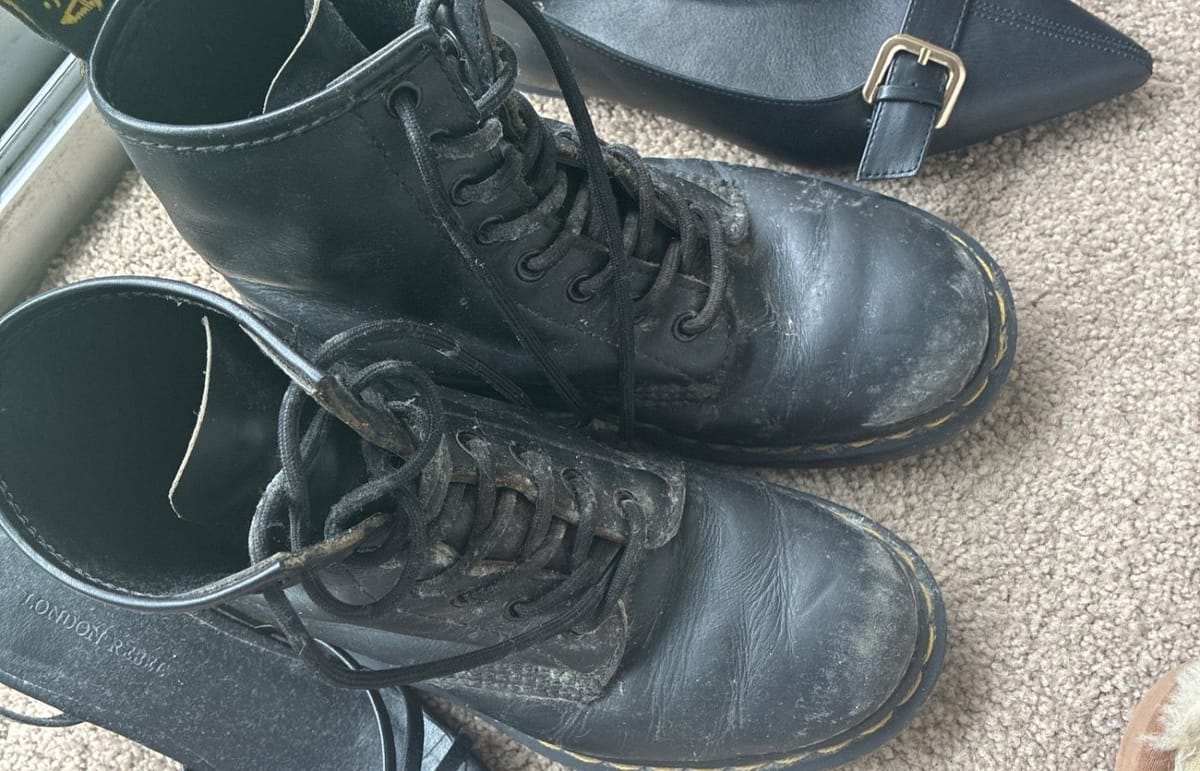
The earliest signs of mould are a musty smell and growth on your things, not your walls. A Broadbeach job shows where to look first and what the sign is actually pointing at.
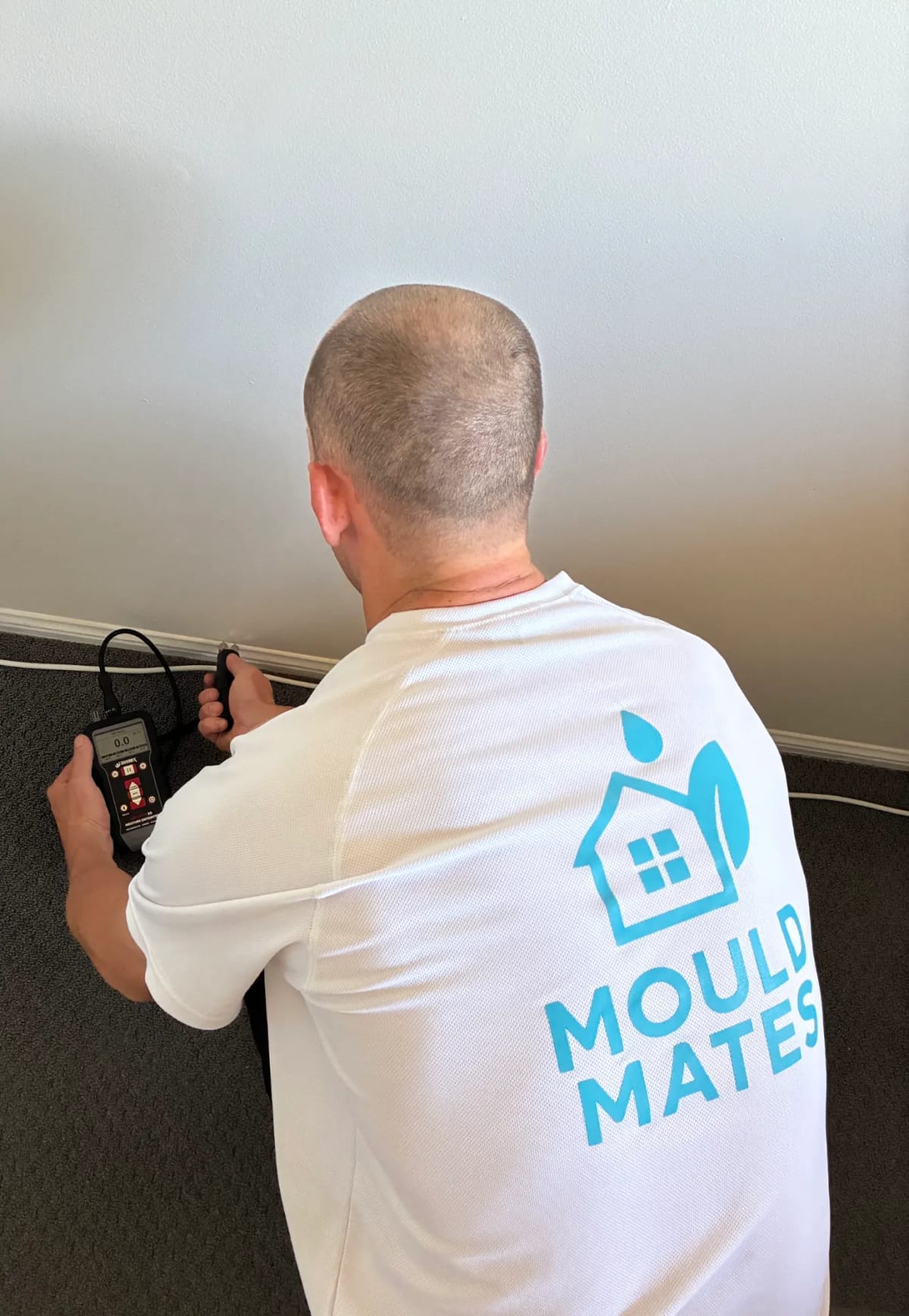
What a mould inspection actually involves, how long it takes, whether holes get cut, when sampling is worth it, and exactly what is in the report at the end.
The last 3 months of Mould Mates inspection records: bedrooms beat bathrooms nearly three to one, condensation caused more of it than leaks, and the average house had it in four rooms.
Black mould is not a type of mould, it is a colour. Mould comes in every colour and grows wherever it is wet. What actually decides the job on Brisbane and Gold Coast homes.
Bleach removes the colour from mould, not the mould. What the IICRC S520 standard says, why it comes back, and the surfaces where a bleach wipe is fine.
Byron Bay morning humidity barely drops below 70 per cent. Why Northern Rivers homes get mould, what we find in Byron Bay, Tweed Heads and Murwillumbah, and what works.
Mould is a moisture problem, not a cleaning one. What actually works at home: humidity under 55%, bathroom fans that vent outside, and the two spaces nobody checks.
Treatment from $759, investigation $349. Our remediation jobs have run $2,500 to $55,000. Real 2026 prices, published.
A musty smell in a Suffolk Park studio near Byron Bay with nothing to see. What we found above the en suite ceiling, and the water source behind it.
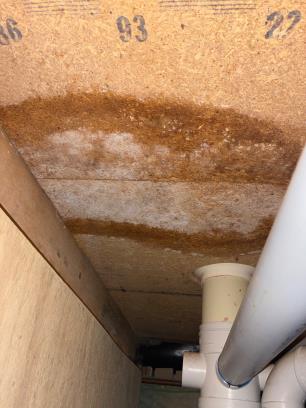
A slow leak inside a hot water tray. Nothing ever reached the floor. Months later there was heavy mould through an enclosed cupboard under the stairs that nobody had opened. Here is why the water never had to escape to cause it.
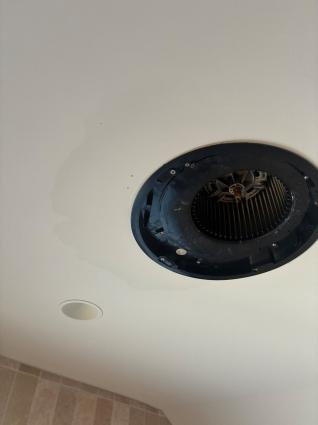
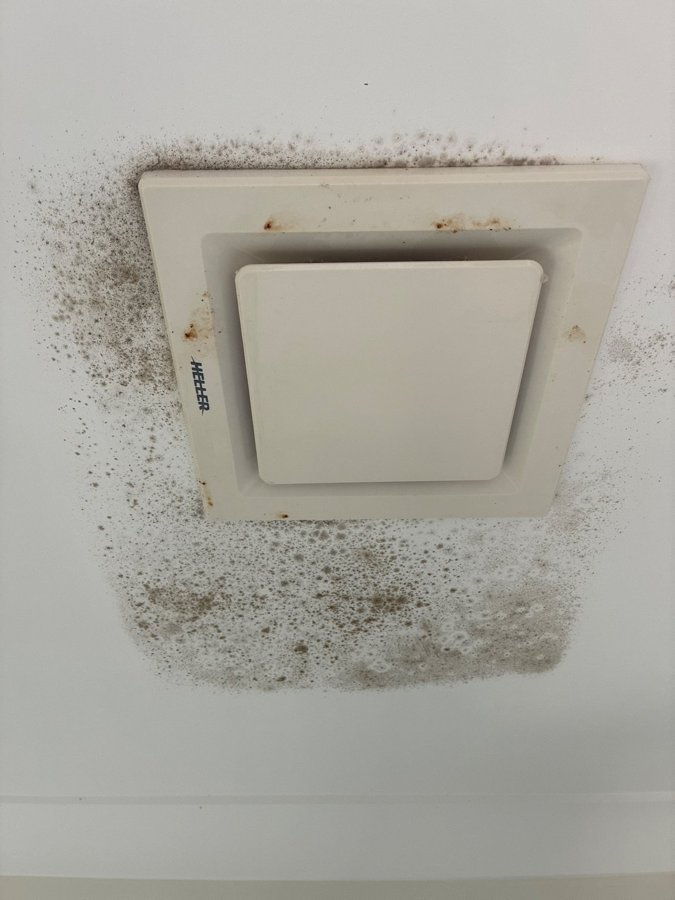
Fine speckled mould spreading out from an ensuite exhaust fan, with nothing wet and nothing sagging. The owner wanted to know if water was getting in. The answer was above the ceiling, not behind it.
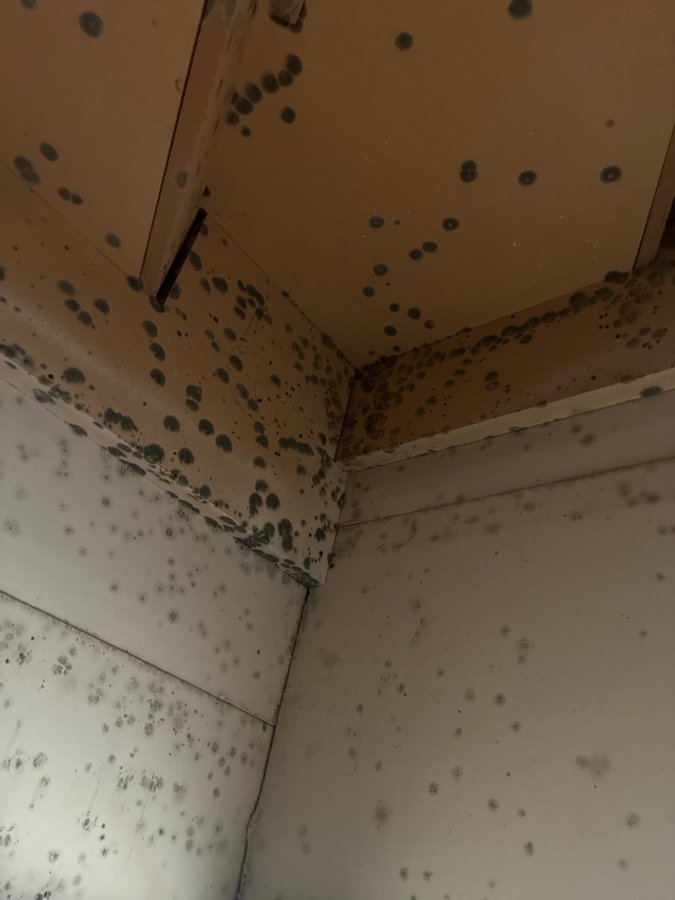
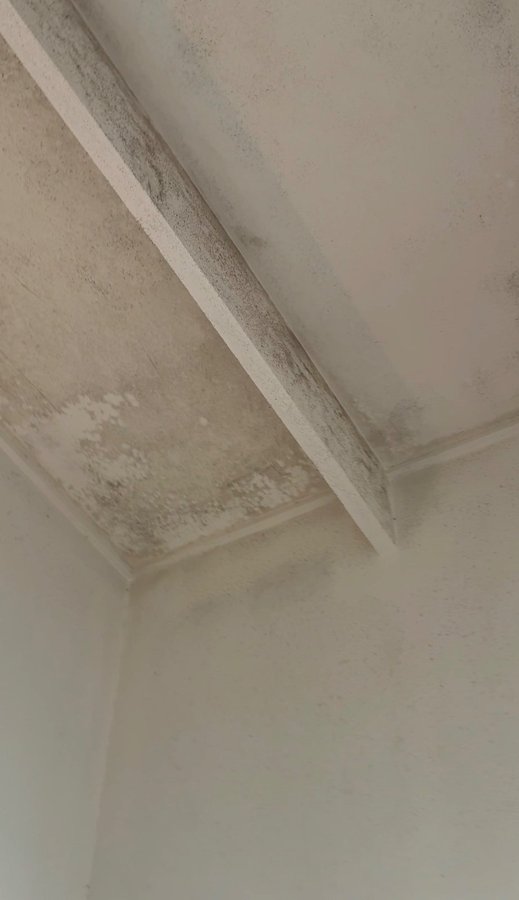
A high raked ceiling, exposed beams, and the same growth returning to the same place. No leak, no stain, no soft patch. Here is what the readings actually showed at a Currumbin bathroom.
If you can smell mould but cannot see it, the growth is usually concealed. Three real jobs showing where we find it and how it is tracked down.
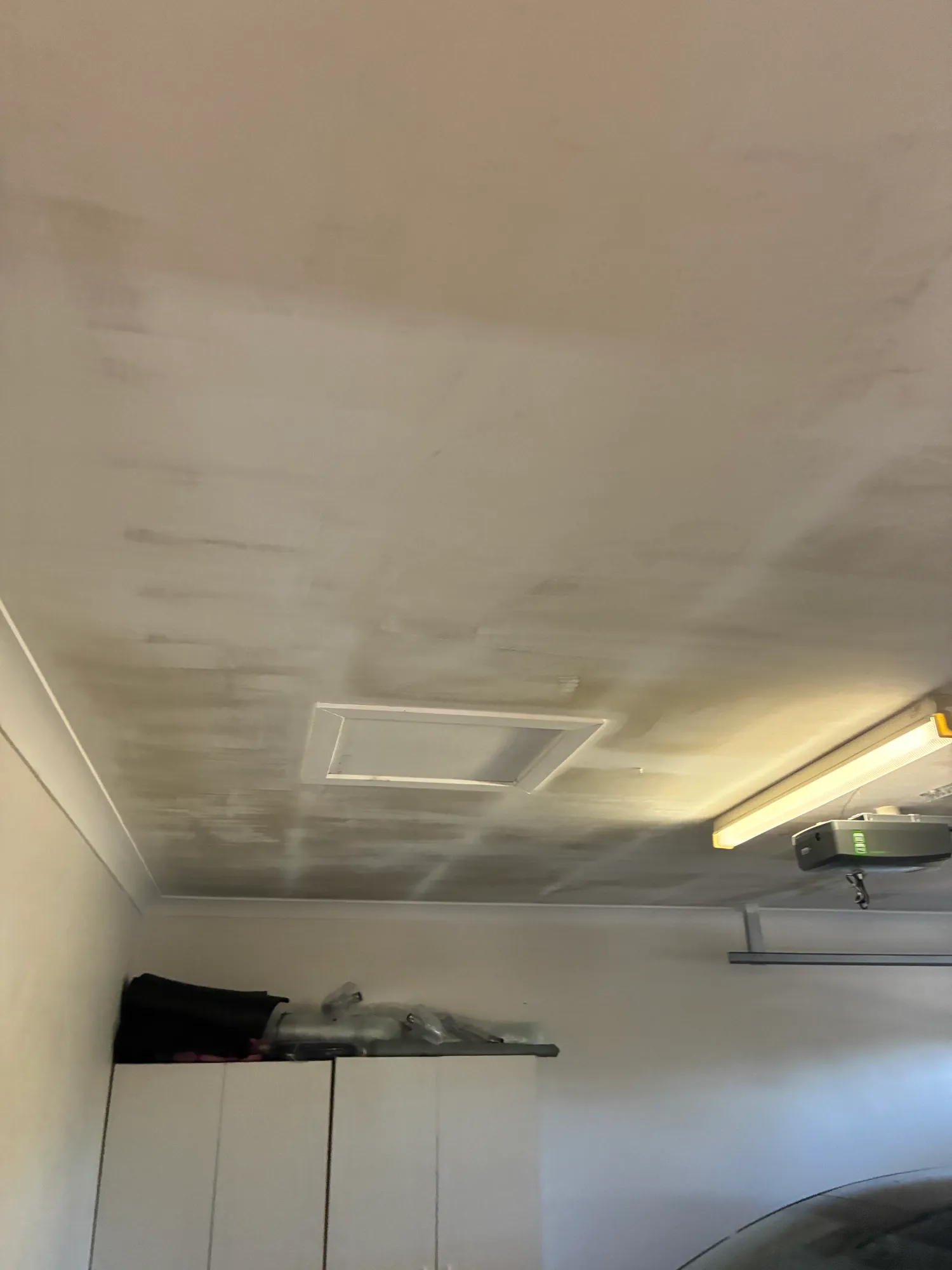
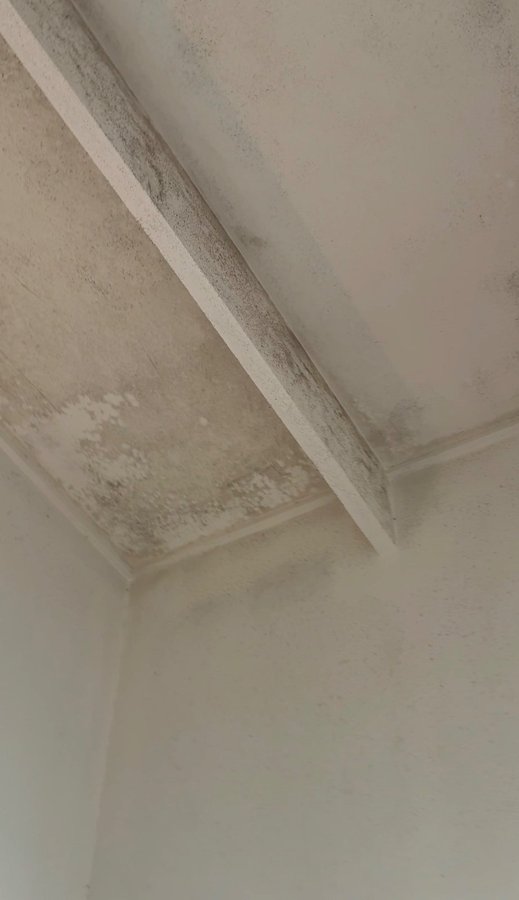
It is the same ceiling every time. Above the shower, around the fan, or a grey line following the cornice all the way round. You wipe it, it looks fine for a few weeks, and then it is back in exactly the same place. Bathroom ceilings are the most common thing we get called to on the Gold Coast, and across the jobs I did in July it came down to the same three things over and over.