Early signs of mould, and where they turn up first
The earliest signs of mould are a musty smell and growth on your things, not your walls. A Broadbeach job shows where to look first and what the sign is actually pointing at.
The short answer
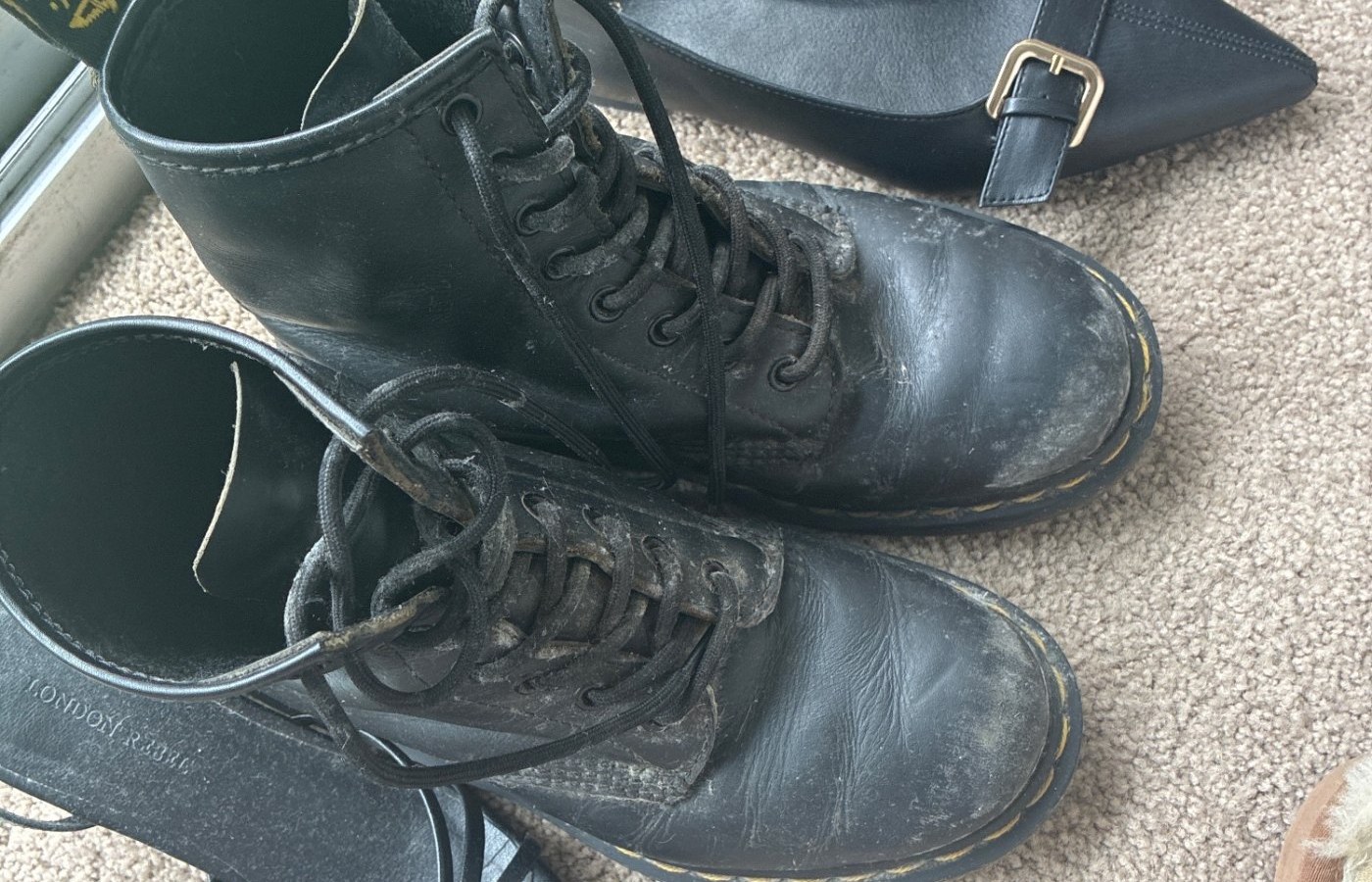
Mould shows itself in a predictable order. First a musty smell with nothing visible. Then growth on stored contents, leather, fabric and cardboard, before anything appears on walls or ceilings. Building materials go last. It starts in enclosed rooms with no ventilation, such as walk-in robes and under-stair cupboards, and it usually appears next to the moisture problem rather than on top of it. On a recent Broadbeach job the only growth was on leather boots in a walk-in robe. The wardrobe linings and carpet were clean. The cause was a waste pipe discharging above the bathroom ceiling on the other side of the wall.
- Smell comes before sight. A musty smell with nothing visible is a real finding, not nothing.
- Your things go before the building does. Leather, fabric, cardboard and anything stored on a floor take up moisture far more readily than a painted plasterboard lining.
- Enclosed rooms show it first. Walk-in robes, under-stair cupboards, linen presses backing onto a bathroom.
- The sign points at the problem rather than sitting on it. Ask what is above that ceiling, behind that wall or under that floor.
- A high humidity reading is not a finding. In a warm humid climate a hygrometer reads high in most houses for much of the year.
- Growth on contents and not on linings means you have caught it early, which is the difference between a treatment and cutting material out.
I got called to a unit at Broadbeach because of a smell in a walk-in wardrobe and some mould on a pair of shoes.
Nothing was wrong with the wardrobe. The linings were clean, the shelving was clean, the carpet was clean. I checked all of it. The only thing growing anything in that room was the footwear sitting on the floor.
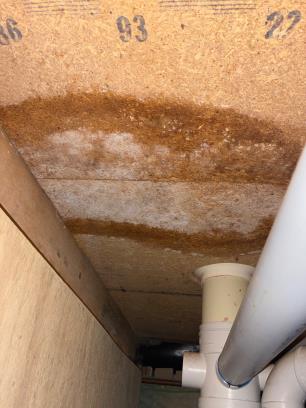
The actual problem was on the other side of the wall, in the space above the bathroom ceiling, where a waste pipe had been discharging water onto the ceiling below it for long enough to break the material down.
That job is the clearest example I have had in a while of something I see constantly. Mould does not announce itself on the wall where the water is. It turns up in the quietest room in the house, on your things rather than on the building, and it is usually pointing at a problem nearby rather than sitting on top of it.
The early signs, in the order they usually show up
- A musty smell with nothing visible. Smell comes before sight nearly every time.
- Growth on contents before building materials. Leather, fabric, cardboard, timber, anything stored on a floor.
- Enclosed rooms first. Walk-in robes, under-stair cupboards, the cupboard on the external wall, the linen press backing onto a bathroom.
- Fine speckling rather than patches. On a painted surface it reads as a shadow or a dull spot long before it reads as mould.
- A tide line, a stain, or a ceiling sheet that has started to sag.
- Clothes and shoes that smell again a day after they were washed and put away.
The smell is the first sign, and it is worth trusting
People apologise for calling about a smell. They say they know it sounds like nothing.
It is not nothing. Of all the jobs I get called to where there is something real going on, a fair share start with somebody smelling it weeks before they see it. The smell is the by-product of material being broken down somewhere you cannot see, so by definition you get it before you get a visual.
What makes people doubt themselves is that it comes and goes. You open the robe in the morning and it is there, you open it at lunchtime and it has gone. That is normal. The smell concentrates in a closed space overnight and clears the moment you open the door, which is exactly why the smell is strongest in the rooms where mould starts.
If you can smell it and cannot find it, that is not a dead end, it is information. There is a reason it is in the air in that particular room.
Your things go before the building does
This is the one most people are not expecting, and it is the single most useful early sign there is.
In the Broadbeach robe, every bit of growth was on stored contents. It was heaviest on leather boots standing on the floor, where it had come up as a raised bloom right across the uppers. The wardrobe linings, the shelving and the carpet had no growth, no staining and no material breakdown on them at all.
There is a reason for that order. Leather, fabric, paper, cardboard and bare timber are porous and they hold moisture out of the air readily. A painted plasterboard lining does not, at least not at first. So when the air in a room sits humid for long enough, your gear goes first and the building looks fine for months afterwards.
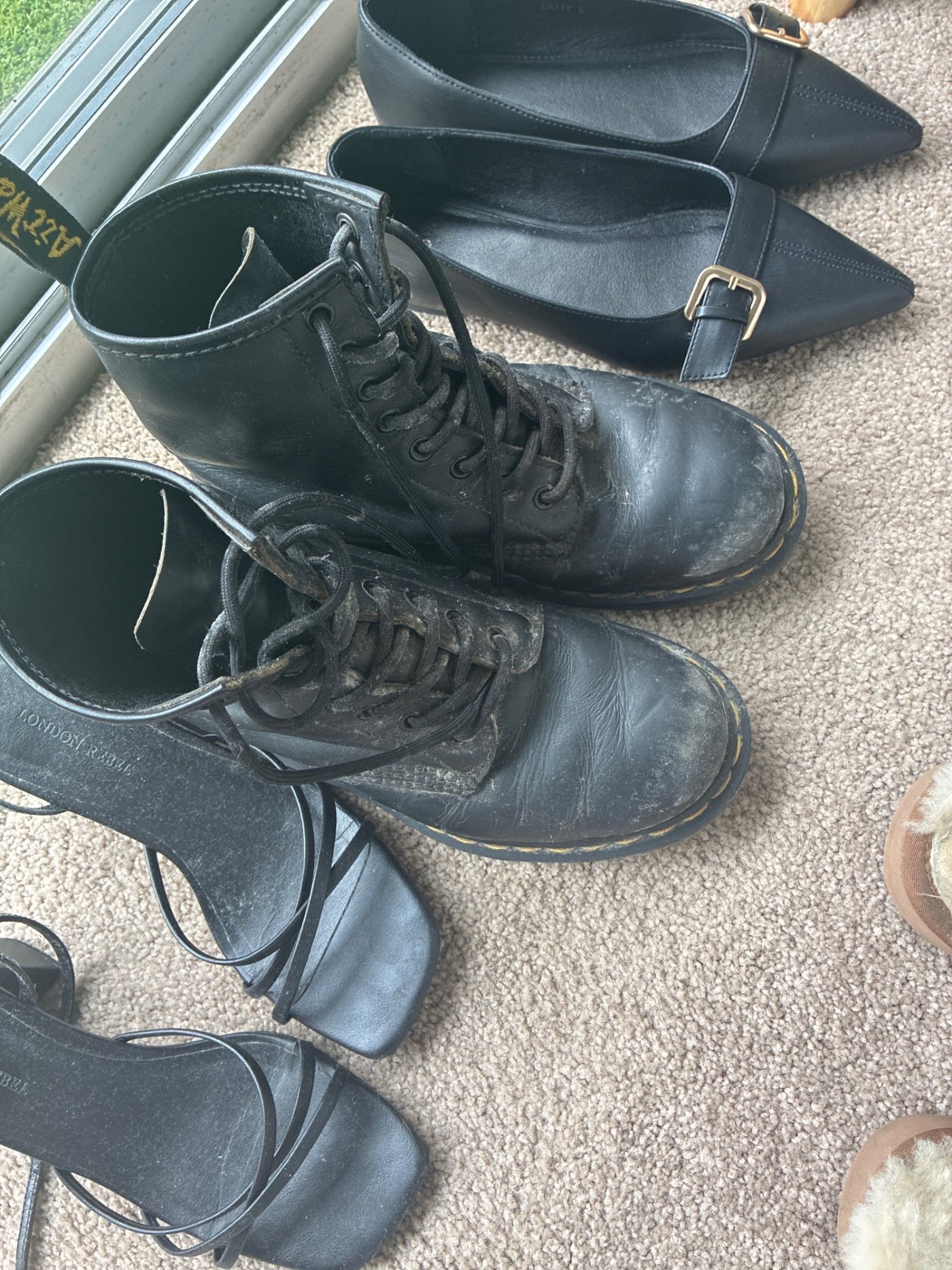
Floor level makes it worse again. The coolest, stillest, dampest air in any enclosed room is in the bottom few hundred millimetres, which is exactly where shoes, boxes and sports bags live.
If you are finding it on your things and not on your walls, you have caught it early. That is the cheap window. Once it is into the lining, you are no longer cleaning, you are cutting material out.
It starts in the rooms that do not breathe
The Broadbeach robe is an enclosed walk-in off the bedroom, carpeted, packed with hanging clothing and shelved contents, with no mechanical ventilation in it and a door that is shut most of the day.
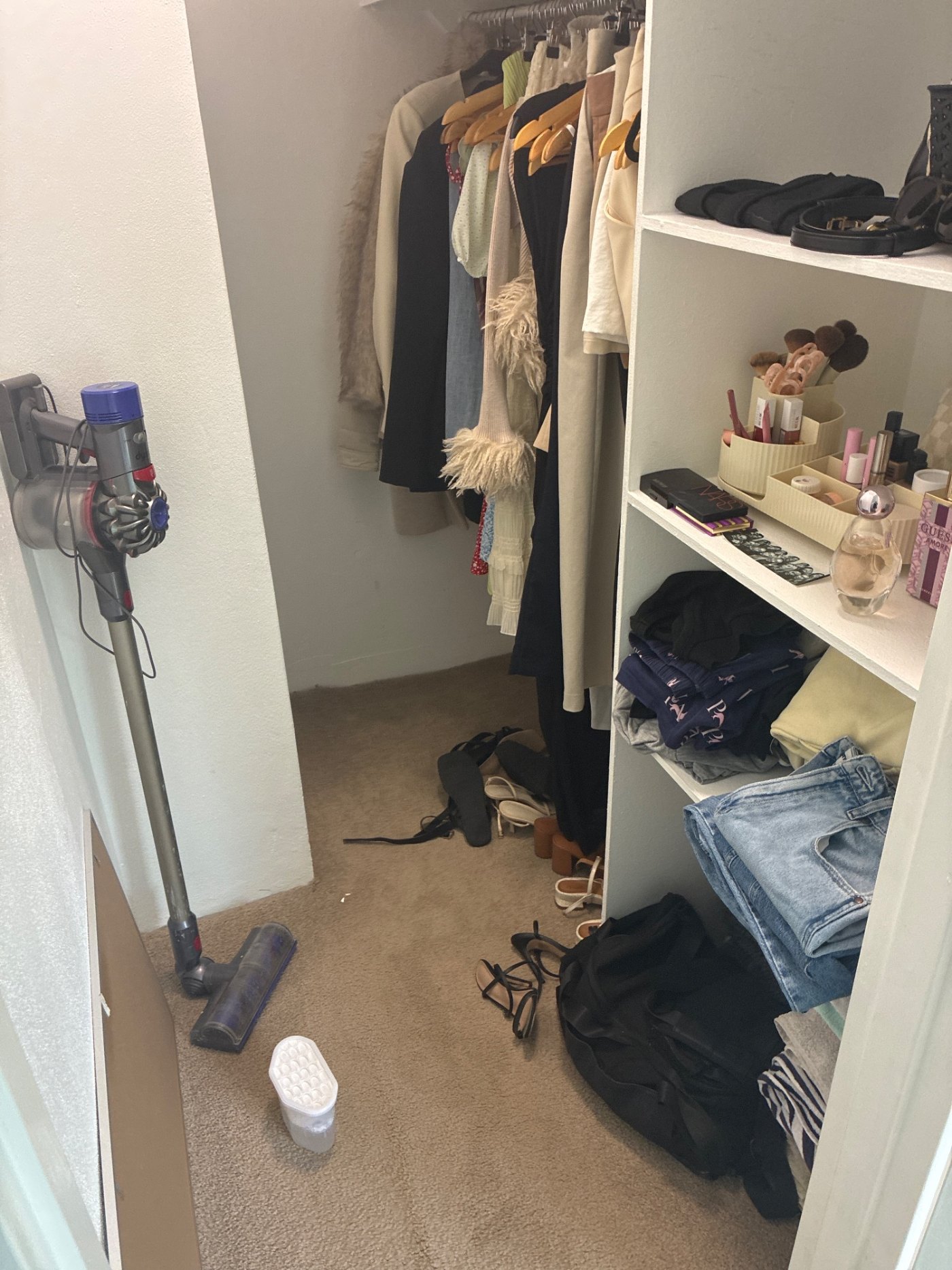
That description fits a lot of the rooms I find early growth in:
- Walk-in robes and built-ins, especially ones on an external wall
- Under-stair cupboards, which are usually unlined, unventilated and forgotten
- The linen press that backs onto a bathroom or shares a wall with a shower
- Behind a bedhead pushed hard against an external wall
- Garages and store rooms under a living area
The rule is simple enough. Find the room where the air does not move, and that is where it will show up first.
The sign points at the problem, it does not sit on it
Here is the part that matters most, and the part that gets missed.
The growth was in the wardrobe. The defect was above the bathroom ceiling next door. The two rooms share a wall and they share a ceiling space, and the water was never anywhere near the robe.
So when you find an early sign, the useful next question is not "how do I clean this". It is "what is on the other side of that". Above that ceiling. Behind that wall. Under that floor. In the unit above you. Nine times out of ten the answer is a wet area, a roof space, or a pipe, and that is where a concealed problem is usually sitting.
That is also why treating the spot you can see and walking away does not work. The contents get cleaned, the robe smells better for a fortnight, and the pipe keeps running.
What the humidity readings did and did not tell me
I want to be straight about this, because humidity meters get sold as mould detectors and they are not.
Here is what I recorded on the day:
| Location | Temp | Relative humidity | Dew point |
|---|---|---|---|
| Outside, reference | 24.2 C | 75.8% | 19.7 C |
| Wardrobe | 24.4 C | 76.5% | 20.0 C |
| Bathroom | 24.4 C | 76.0% | 19.9 C |
The wardrobe was the highest relative humidity in the property. It was also seven tenths of one per cent above the air outside the front door.
On its own, that number tells you nothing. We are in Climate Zone 2 under the National Construction Code, warm and humid, and a hygrometer on a day like that will read high in every house on the coast. If elevated humidity alone caused this, the neighbours would have had it too.
What actually found this job was a smell, a pair of boots and someone getting up into the bathroom ceiling. The readings were useful afterwards, as context, and for ruling things out. They were not the thing that found it.
Ruling condensation out
Before I go looking for a leak I have to rule out the obvious regional cause, which is condensation.
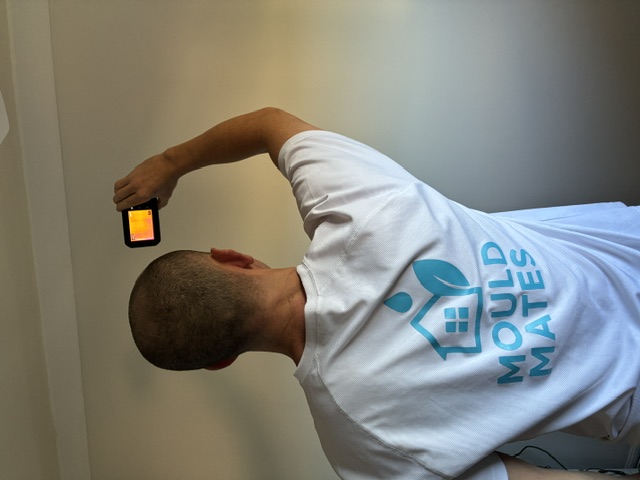
Surface temperatures across the bathroom ceiling ran from about 23.4 to 27.4 degrees, with a spot reading of 25.4 degrees in the centre. The dew point calculated for that room was 19.9 degrees. Nothing on that ceiling was anywhere near cold enough for moisture to condense on it.
So the water was not coming out of the air. It was liquid water, arriving from somewhere. The plasterboard at the bathroom ceiling read Wet on the meter, which told me where to open up, and above it was water discharging from a waste pipe straight down onto the suspended ceiling below. The staining and the breakdown around that point had been building for a long time.
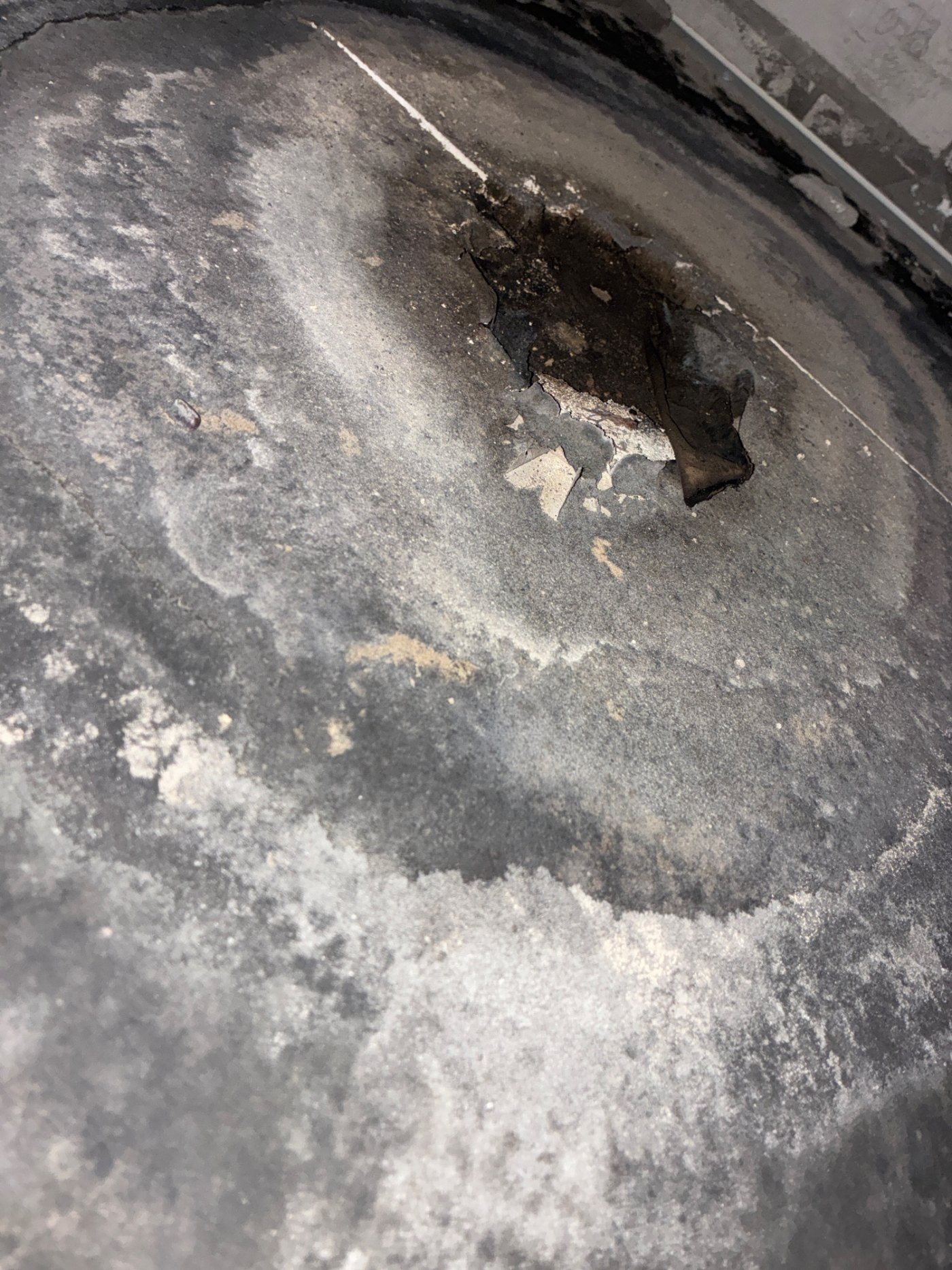
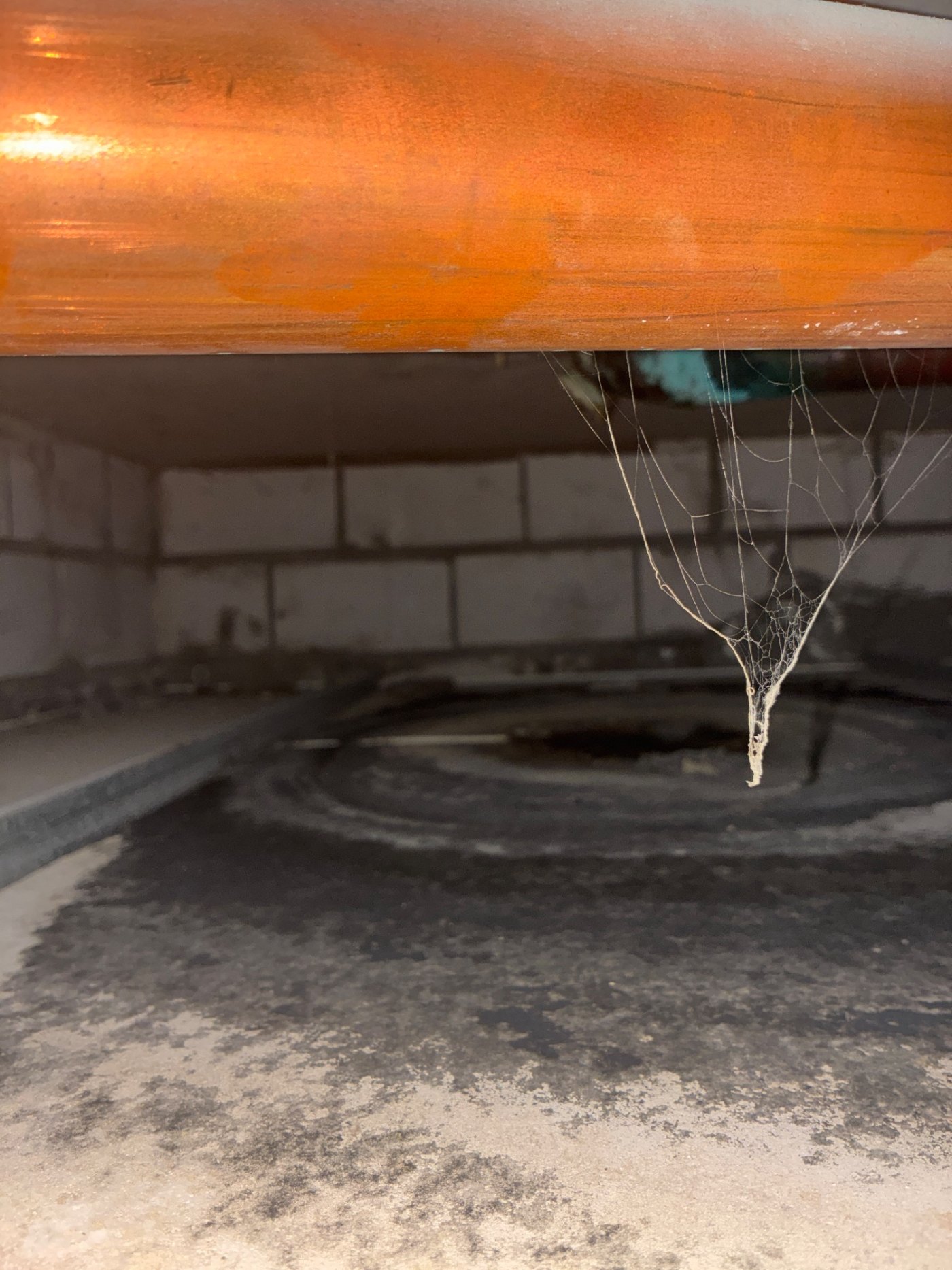
Condition 3 under the ANSI/IICRC S520 standard in the wardrobe, Condition 3 in the bathroom, and a scope that removes the affected lining rather than treating the surface of it.
What to do when you spot an early sign
- Do not clean it off first. It is the most common thing people do before they call, and it removes the evidence without removing the cause. Leave it.
- Photograph it and date it. Especially if you rent, or if a body corporate or an insurer is going to be involved.
- Look at what is on the other side. The adjoining bathroom, the ceiling above, the floor below.
- Open the space up and leave it open. Door wedged, contents out. It will not fix anything, but it stops it getting worse while you sort out the cause.
- Do not repack the contents into the same spot. Clean gear going back into the same still air just starts again.
- Get it looked at while it is on your things and not in your walls. That is the difference between a treatment and a rebuild, and it is the same reason mould keeps coming back on a bathroom ceiling that only ever gets wiped.
Common questions
What are the earliest signs of mould in a house?
A musty smell with nothing visible, growth appearing on stored contents such as leather, fabric and cardboard before it appears on walls or ceilings, and fine speckling or a dull shadow on a painted surface rather than an obvious patch. Enclosed rooms with no ventilation show it first.
Can you smell mould before you see it?
Usually, yes. The smell is produced as material is broken down, often in a space you cannot see into, so it reaches you before any visual sign does. A smell that is strong when you first open a closed room and fades afterwards is a common pattern.
Why is mould growing on my shoes and clothes but not on the walls?
Leather, fabric, paper and cardboard are porous and take up moisture out of the air far more readily than a painted plasterboard lining. Stored items also sit at floor level in the stillest, dampest air in the room. Contents going first while the building looks clean means you have caught it early.
Does a high humidity reading mean I have mould?
No. In a warm humid climate a hygrometer will read high in most houses for much of the year. Humidity readings are useful as context and for ruling causes in or out, but they do not locate growth and a single high number is not a finding on its own.
Is mould in a wardrobe a sign of a leak?
It can be. A wardrobe often has no ventilation, so it will grow mould from humidity alone. But where it shares a wall or a ceiling space with a bathroom, laundry or kitchen, the enclosed room is frequently the first place a leak elsewhere shows itself, and the wet area next door is worth checking before anything is written off as poor ventilation.
Mould investigations across the Gold Coast, Brisbane and the Northern Rivers
If you can smell something and cannot find it, or it is showing up on your things and you want to know why, a mould investigation establishes the cause and puts it in writing with the readings behind it. Call 0435 219 425 or request a free quote.
Nick Smart, Mould Mates
Nick Smart is co-owner of Mould Mates, an IICRC certified firm working across the Gold Coast, Brisbane and the Northern Rivers.
About the author

Nicholas Smart
Nicholas Smart co-founded Mould Mates after 15 years as a qualified carpenter, and is studying a Bachelor of Construction Management. That background is the reason he tends to find the cause rather than the patch. Mould is a building problem before it is anything else, and knowing how a roof, a wall cavity or a subfloor is put together is what tells you where the water is getting in and why the same corner keeps growing the same thing. He works across the Gold Coast and Northern Rivers.
- Qualified carpenter, 15 years on the tools
- Studying a Bachelor of Construction Management
- Co-owner of an IICRC Certified Firm