What happens in a mould investigation
What a mould inspection actually involves, how long it takes, whether holes get cut, when sampling is worth it, and exactly what is in the report at the end.
Most people have never had one done and are not sure what they are paying for. A few think I turn up, look at the patch and write a quote. A few others expect the house to be pulled apart.
It is neither. Here is the whole thing, start to finish, so you know what you are booking.
What happens in a mould investigation
- It takes about ninety minutes to a couple of hours, depending on the size of the place and how much has to be opened up.
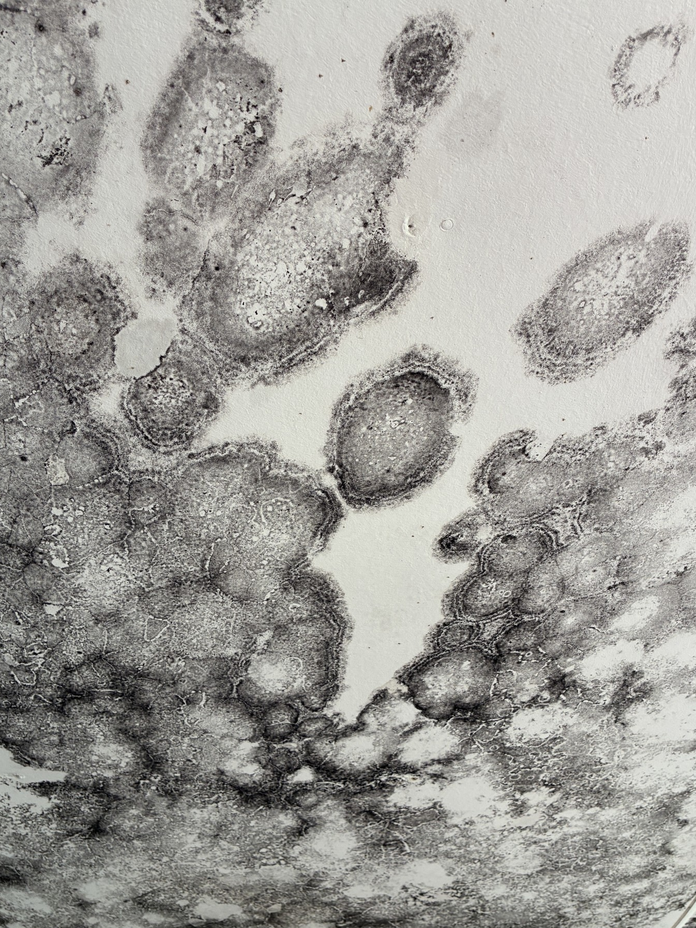
- Every room gets looked at, not just the one you rang about. The average house we inspect has it in four.
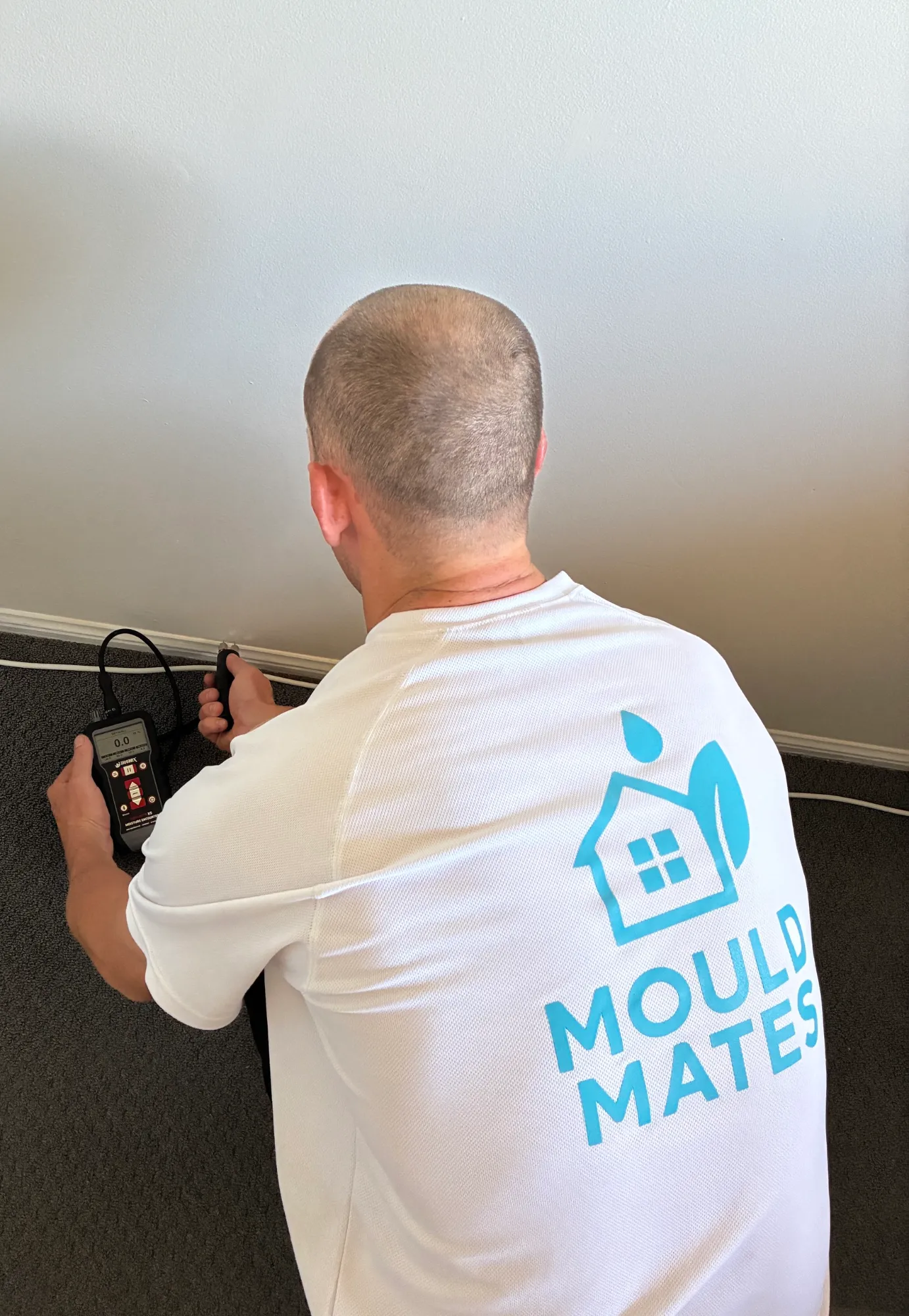
- Readings are taken on the materials and in the air, so the cause can be separated into condensation or a leak.
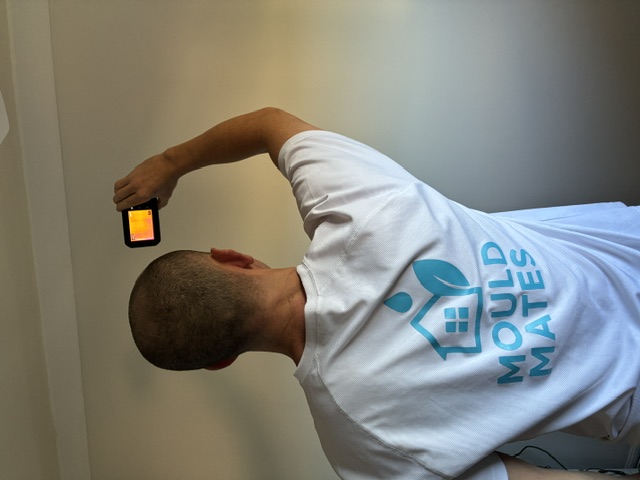
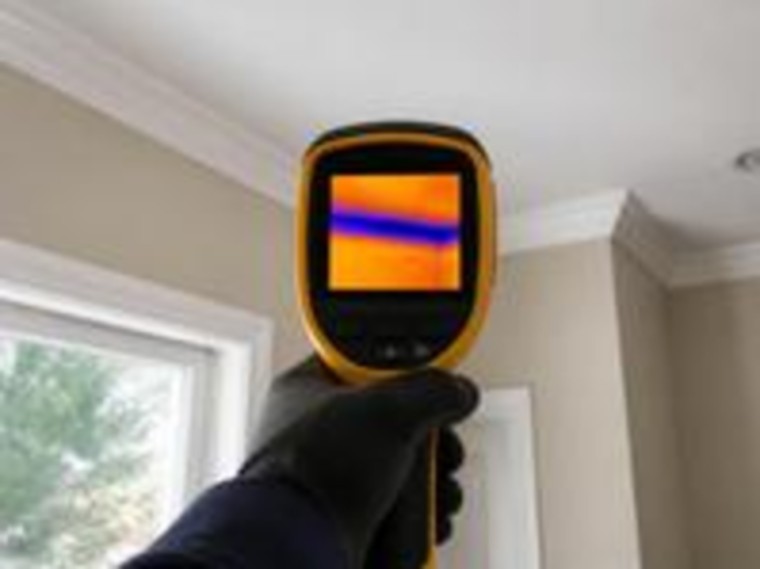
- A thermal camera gets used on suspect surfaces. It does not see mould. It sees cold, which is where moisture lands first.
- Sampling only happens if it will change something. Most jobs do not need it.
- You get told what has been found before I leave. The written report follows and is the thing a landlord, a body corporate or an insurer can act on.
Before I get there
There are a few things worth doing, and none of them take long.
- Do not treat it the week before. It is the single most common thing that makes a job harder. Wiping the growth off removes the evidence and not the cause, and it can hide the pattern that would have told me where the moisture is coming from.
- Leave the room as it normally is. If the wardrobe is usually packed, leave it packed. If the window is usually shut, leave it shut. I want the house in the state that grew the mould, not a tidied version of it.
- Have the history ready. When it started, what has changed, anything that has leaked, any work done. Half the answer is usually in the history rather than on the wall.
- Clear access. The manhole, under the house, behind anything heavy that sits against an external wall. If I cannot get to it, I cannot rule it out.
Where we actually look
The numbers behind that come from our own records. Across the inspections we wrote up over winter, the average property had growth in more than four rooms, and one affected area in four needed something opened up before the extent could be established.
The reading nobody expects
When I put a moisture meter on an affected material, I then take a second reading on clean material of the same type a metre or two away. That second one is the baseline.
A single number means almost nothing. Timber, plasterboard and particleboard all sit at different normal levels, and the same material reads differently in a Currumbin winter and a February wet week. What matters is the gap between the affected reading and the dry one next to it.
The camera that does not see mould
People assume the thermal camera finds the mould. It does not. It reads surface temperature.
What makes it useful is that the cold spot is where moisture lands first. A missing strip of insulation, a cold bridge at a junction, the edge of a slab. The growth follows that shape, so when the thermal image and the growth pattern match, you have found the mechanism rather than the symptom.
Opening things up
About a quarter of the areas we log need something opened before the extent is clear. A ceiling cavity, the back of a cupboard, a section of lining, the roof space.
This is the part people worry about, so to be plain: nothing gets opened without asking you first, and it is a small, deliberate opening in a place chosen because the readings already point there. It is not exploratory demolition.
On one job the ceiling looked fine from the room. The painted face was clean, the owner had been looking at it for years. The other side of the same sheet, the side against the cavity, was black. Nothing on the room side would ever have told you that.
Sampling, and when it is a waste of money
Air or surface sampling goes to a laboratory. On the jobs we did over winter, fewer than one in four needed it.
It earns its place when there is a smell and nothing visible, when growth keeps returning after treatment, or when a written finding is needed for a landlord, a body corporate or an insurer. If you can see the growth and the cause is obvious, a sample tells you what you already know and costs you more.
I would be suspicious of anyone who samples every job.
What is actually in the report
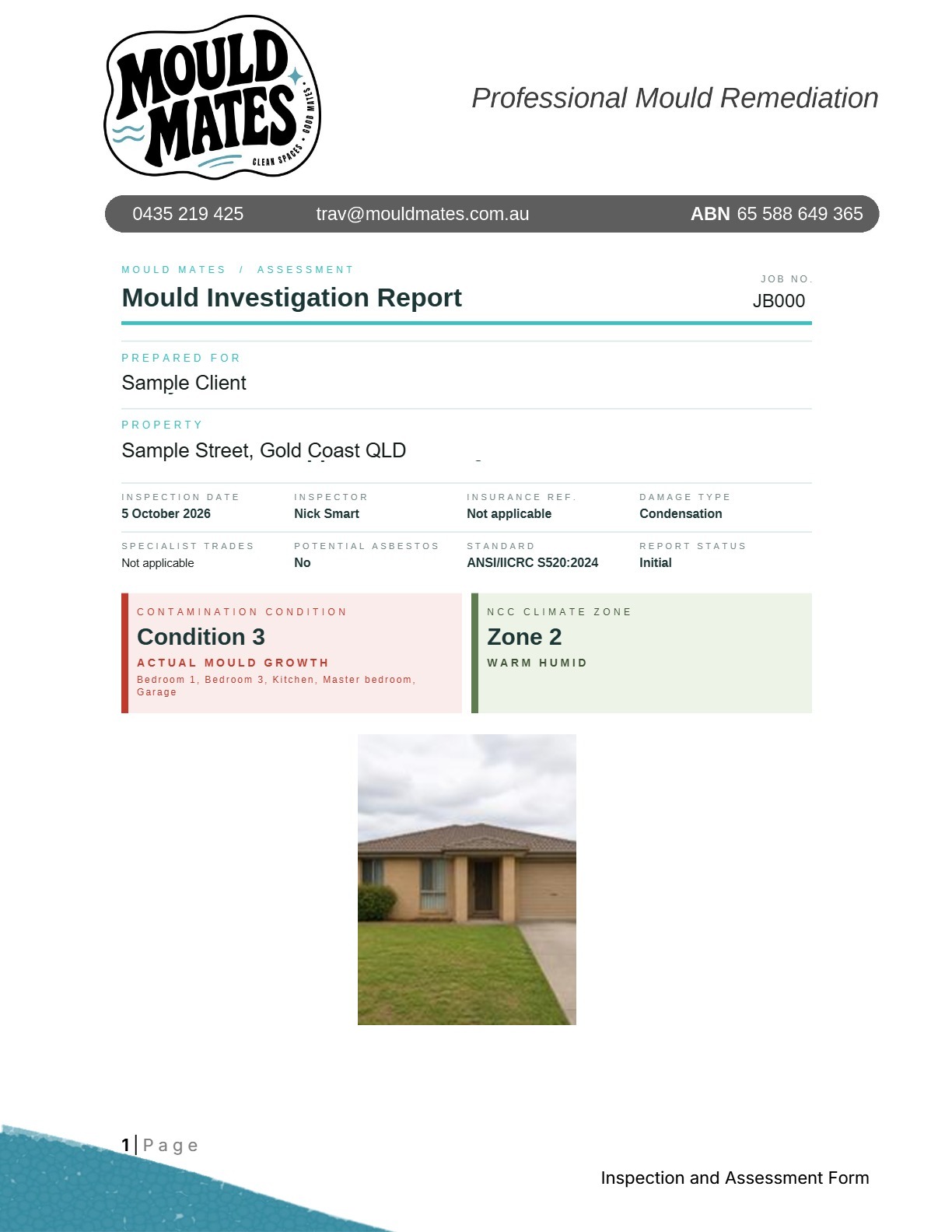
The report is the deliverable. It arrives after the visit, and it is written so that somebody who was not there can act on it.
- What was found, room by room
- Moisture readings, each with a dry baseline
- Thermal images
- The cause, named
- Growing, or just settled
- The scope of works, in order
- What could not be inspected, and why
- Insulation displaced over a 1.2 m section of the bedroom ceiling. That strip runs colder overnight than the ceiling either side of it, and moisture in the room condenses on it first. No active leak identified.
- Containment and negative air to the affected rooms
- Remove ceiling lining 500 mm past visible growth
- Remove and replace affected insulation
- HEPA vacuum and treat the exposed framing
- Re-route the exhaust duct so it discharges outside
- Verification inspection before anything is re-sheeted
- Concealed areas including wall cavities, the subfloor and the roof space beyond the access hatch were not inspected. Findings represent conditions at the date of inspection.
What you get at the end
Two things. A conversation on the day, so you are not waiting on an email to find out whether it is serious. And a document that names a cause.
If the job needs a trade we do not hold a licence for, the report says so and says which one. Plumbing, asbestos and structural carpentry go to licensed subcontractors, and a report that quietly scopes around that is not doing you any favours.
If the material is sound and dry and the growth is on the surface, that is a mould treatment. If water has been into the material, the material comes out. The report tells you which one you have, and that is the difference between fixing it once and paying for it twice.
Common questions
How long does a mould inspection take?
Usually ninety minutes to a couple of hours for a house, depending on its size and how much has to be opened up. Larger properties and multi unit buildings take longer.
Do I need to clean before a mould inspection?
No, and it is better if you do not. Treating the growth beforehand removes the evidence without removing the cause, and it can hide the pattern that shows where the moisture is coming from. Leave the rooms as they normally are.
Will you have to cut holes in my walls?
Sometimes, and never without asking first. About a quarter of the areas we record need something opened before the extent is clear, and these are small, deliberate openings in a spot the readings already point to, not exploratory demolition.
Does a thermal camera detect mould?
No. A thermal camera reads surface temperature, not moisture and not mould. It is useful because cold surfaces are where moisture condenses first, so a cold pattern that matches the growth pattern identifies the mechanism behind it.
Do I need mould testing or air sampling?
Usually not. Sampling is worth doing when there is a smell with nothing visible, when growth keeps returning after treatment, or when a written finding is needed for a landlord, a body corporate or an insurer. If the growth is visible and the cause is clear, a sample mostly confirms what is already known.
What is in a mould inspection report?
Findings room by room, moisture readings with their baselines, temperature humidity and dew point, photographs, a named cause, a classification of whether there is growth on material or settled spores, laboratory results where sampling was done, a scope of works, and a statement of what was not inspected and why.
Mould investigations, Gold Coast, Brisbane and Northern Rivers
If you can smell it and cannot find it, or it keeps coming back, a mould investigation establishes the cause and puts it in writing with the readings behind it. Call 0435 219 425 or request a free quote.
Nick Smart, Mould Mates
Nick Smart is co-owner of Mould Mates, an IICRC certified firm working across the Gold Coast, Brisbane and the Northern Rivers.
About the author

Nicholas Smart
Nicholas Smart co-founded Mould Mates after 15 years as a qualified carpenter, and is studying a Bachelor of Construction Management. That background is the reason he tends to find the cause rather than the patch. Mould is a building problem before it is anything else, and knowing how a roof, a wall cavity or a subfloor is put together is what tells you where the water is getting in and why the same corner keeps growing the same thing. He works across the Gold Coast and Northern Rivers.
- Qualified carpenter, 15 years on the tools
- Studying a Bachelor of Construction Management
- Co-owner of an IICRC Certified Firm