Water Damage Restoration - Fast Response. Done Right. Mould Prevented.
Burst pipe, flexi-hose, storm or leak - the first 24 hours decide whether you have a clean-up or a six-month mould problem. We extract water, dry the structure, and prevent mould before it starts. IICRC-certified. Servicing Brisbane, Gold Coast and the Northern Rivers.
Click the button below to get a free quote

Want to get drying now?
0435 219 425
What sets us apart?
24-Hour Response Time
Fully Insured
Insurance Level Documentation Provided
Mould Prevention Included
IICRC Certified Firm
First class customer service
What others say about us
The first 24 hours decide whether this becomes a small problem or a six-month one
Water damage doesn't sit still. From the moment water touches a wall, floor or ceiling, three things start happening:
Within 1 hour:
Water wicks into porous building materials - gyprock, timber, insulation, carpet underlay. The visible water is a fraction of what's actually wet.
Within 24 hours:
Mould spores in the air begin colonising the damp surfaces. They don't need a week. They need 24 hours.
Within 48-72 hours:
Mould is visible. Materials warp, swell, and start failing. Insurance claims get more expensive. Repairs become rebuilds.
Most homeowners try to manage water damage with towels, fans, and hope. By the time they realise it's a bigger problem, the cavity moisture is already growing mould you can't see and the cost has multiplied.
This is why we respond fast and why we're different: we don't just dry the property, we make sure mould doesn't follow. Most water restoration companies don't have mould certification. We do.
Our 4-Step Water Damage Response
Step 1
Call, message, or request a quote we will get stared within 24 hours
Call 0435 219 425 or fill out the form. We respond within business hours and after-hours messages get a response first thing the next morning. Work begins within 24 hours of your call.
Step 2
On-site assessment and emergency stabilisation
We arrive with moisture meters, thermal imaging, and extraction equipment. We map the affected area, document everything for insurance, extract standing water, and stabilise the property to stop further damage.
Step 3
Structural drying with daily verification
Commercial-grade dehumidifiers and air movers placed strategically. Daily moisture readings and a written drying log. We stay on the job until moisture levels are back to baseline not when the property looks dry.
Step 4
Mould prevention and final verification
We verify dryness with final moisture readings, and provide a written completion report. If mould has already started, we're IICRC-certified to remediate it as part of the same job - no second contractor, no second invoice.
Click below to get the job started within 24 Hours
Everything Handled. One Call
When water gets in, the next 24 hours matter more than the next 24 days. We handle the entire job - no multiple trades, no insurance gaps, no finger-pointing about who was meant to do what.
Emergency water extraction
Work begins within 24 hours
Structural and Subfloor Drying
Dried back to baseline, from the ground up
Mould Remediation
IICRC certified. Root cause analysis
Storm Damage Restoration
Make safes. Full restoration
Most water restorers can't handle the mould that follows. We can.
Water damage and mould are the same job. The water gets in. The materials get wet. If they don't dry properly - fast and to the right moisture content - mould grows. Within 24-72 hours. Every time.
Most water damage restoration companies are equipped for extraction and drying. They're not equipped for what happens when mould is already there, or when the customer's job requires S520-compliant remediation.
We are. Mould Mates is IICRC-certified as a firm the international standard for mould remediation. Most water restoration operators on the Gold Coast and in Northern NSW don't hold this certification. It means we can handle the full lifecycle of a water-damage event under one roof:
Water extraction
Structural and sub-floor drying
Moisture verification with documented readings
Mould remediation (including S520-compliant containment for serious cases)
Final air-quality verification (where required)
Insurance documentation across the entire claim
Who we help with water damage
Homeowners
Burst pipes, flexi-hose failures, hot water system leaks, washing machine overflows, roof leaks during storms. We handle the extraction, drying, and mould prevention in one job and provide the documentation your insurance claim needs.
Tenants and property managers
Water damage in a rental property has a short clock landlord, agent, and tenant all have roles to play and the moisture doesn't wait. We work directly with property managers, document the full job, and bill the appropriate party. IICRC reports clearly identify causation, which helps resolve responsibility questions before they become disputes.
Plumbers and leak detectors
You found the leak. You fixed the leak. Your customer asks: 'who's going to dry this out and make sure I don't get mould?' We are. We respond fast, work alongside your repair, and pay referral fees on jobs that convert. Call 0435 219 425 to be added to our trade-referral list.
Body corporates and strata
Multi-unit water damage events get political fast common property, owner property, shared walls, shared insurance. We provide IICRC documentation that holds up in committee meetings and insurance discussions. We've worked with strata managers across the Gold Coast and Northern Rivers.
Insurance work
We provide full insurance documentation on every job moisture readings, drying logs, before/after photos, scope of work, and final verification reports. We're set up to work directly with insurers, loss adjusters, and brokers. Note: we are not currently on major insurance panels but are available for direct assignment and sub-contractor work.
What others are asking
It was just a small leak. I've mopped it up and put a fan on it. Isn't that enough?
It might look dry on the surface, but water travels. It soaks into carpet underlay, runs under skirting boards, wicks up into plasterboard, and pools in the subfloor, none of which a mop and a pedestal fan will fix. The longer moisture sits in those hidden areas, the more damage it does. Within 24–48 hours you're looking at swelling, warping, and the start of mould growth. A professional assessment with moisture detection equipment tells you what's actually wet. Not just what looks wet
It's only one room. Does it really need professional restoration?
Water doesn't respect room boundaries. It follows gravity, seeps through joins, and wicks along materials you can't see. A wet patch in one room often means moisture has travelled into the wall cavity, under the floor, or into the next room's framing. The only way to know the true extent is with moisture mapping, which is exactly what we do before any drying starts. Sometimes it is just one room. But you need to confirm that, not assume it.
I've dealt with leaks before by opening the windows and letting it air out. It was fine.
It might have looked fine. But slow-drying moisture trapped in the subfloor, wall cavities, or underlay doesn't show visible signs of damage for weeks or months. By the time you see warping, staining, or smell something musty, mould has already taken hold and structural materials may have started to break down. Air drying works for a wet towel, not for building materials that have absorbed water.
Water damage restoration sounds expensive. Can't I just rent a dehumidifier from Kennards and do it myself?
A single dehumidifier in the middle of a room won't target the moisture that's soaked into your walls, subfloor, or ceiling cavity. Professional drying uses a calculated system, the right number of air movers and dehumidifiers placed in the right positions, based on the volume of wet material and the layout of the space. It's monitored daily with moisture readings so equipment comes out the moment the job's done, not a day longer than needed. A DIY approach often means the surface dries but the structure underneath doesn't, which leads to mould, rot, and a much bigger bill down the track.
How much does this actually cost? I'm worried about a massive invoice.
We give you a clear scope before any work starts, what's wet, what needs drying, what equipment is required, and how long we expect it to take. No surprises. If you're going through insurance, most standard water damage restoration is covered under your home and contents policy. We can work directly with your insurer and handle the documentation so you're not chasing paperwork while your house is drying out.
I don't want to make an insurance claim. My premiums will go up.
That's a fair concern, and it's worth weighing up. But consider what you're risking by not drying the property properly: mould growth within days, structural damage over weeks, and a much larger claim, or out-of-pocket cost, later. A small water event dealt with quickly is a straightforward claim. A mould remediation job six months later because the original leak wasn't dried properly is a far bigger one. We can help you understand your options before you decide whether to claim.
The floor looks dry now. What exactly am I paying to restore?
Water that's absorbed into timber framing, plasterboard, carpet underlay, or concrete doesn't show on the surface. It sits inside the material and keeps causing damage. Professional moisture meters and thermal imaging show us exactly where the moisture is and how deep it goes. If everything reads dry, we'll tell you and you won't need us. But if it doesn't, you'll be glad you checked before mould set in or the floor started buckling.
I don't want industrial equipment taking over my house for a week.
Neither do we. The goal is to get the equipment in, dry the structure, and get out as fast as possible. Most residential water events take 3–5 days of drying depending on what's affected. We monitor daily with moisture readings and pull the equipment the moment targets are hit. We position units to minimise disruption, and if there are bedrooms or areas you need access to, we work around that.
How do I know you won't drag the job out to bill more equipment days?
We take daily moisture readings and log them. You can see the numbers yourself, they either drop or they don't. Equipment stays until the structure hits its dry target, and comes out the same day it does. We're not billing by gut feel. The readings don't lie, and we can show them to you at every check.
My father-in-law reckons you just pull the carpet up, let it air out, and put it back down.
That works if the only thing that got wet was the carpet and it got dried within hours. But carpet sits on underlay, and underlay sits on a subfloor. If water has soaked through to the underlay or the subfloor, pulling the carpet up and waiting won't dry what's underneath in time. Underlay holds moisture like a sponge and is one of the fastest places for mould to start. A professional assessment tells you whether it's a carpet-only situation or something deeper.
What if the damage is worse than I think? I'm not sure I want to know.
We understand that, and it's one of the most common reasons people wait. But water damage gets worse with time, not better. What might be a straightforward dry-out today could turn into a mould remediation and partial rebuild in a few months. The earlier you get a clear picture, the more options you have and the less it costs. We'll tell you exactly what we find and walk you through your options before anything starts.
How do I know the difference between a legit company and one that's going to rip me off?
Look for a company that follows the IICRC S500 standard. That's the international standard for professional water damage restoration. It sets out how water damage should be assessed, classified, dried, and verified. Ask if they take daily moisture readings, whether they'll show you the data, and whether they provide a scope of works before they start. If a company can't answer those questions, that tells you everything you need to know.
The carpet smells a bit off but I reckon it'll go away once it dries out
That smell is moisture breaking down the material, usually the underlay or the carpet backing. If it's been more than 24 hours and there's still an odour, the material hasn't dried fast enough and biological growth has started. That smell doesn't go away on its own. It gets worse. And once mould establishes in underlay, the underlay usually needs to come out entirely. The sooner you act, the more likely the carpet can be saved.
The skirting boards look a bit swollen but I figure they'll shrink back once they dry
They won't. Once timber or MDF absorbs enough water to swell, the internal structure of the material changes. MDF in particular falls apart once it's saturated, it doesn't return to its original shape. Timber skirting boards can sometimes be dried and saved, but only if professional drying starts quickly. If you're already seeing swelling, the moisture has been sitting long enough to cause permanent change. That's not something time alone will fix.
I feel like I should have caught the leak sooner. Is it too late?
It's almost never too late to dry a property, but the scope of work changes depending on how long the water has been sitting. A leak caught in the first 24 hours is usually a straightforward dry-out. A leak that's been going for days or weeks may involve removing damaged materials, treating for mould, and drying the structure underneath. Either way, the first step is the same: find out exactly what's wet and how far it's spread. Don't let embarrassment about the timing stop you from getting a clear picture now.
What's the difference between drying and restoration? It sounds like the same thing with a bigger price tag
Drying is one part of restoration. Restoration covers the full process, assessing the damage, classifying the water source, removing materials that can't be saved, drying the structure to verified targets, treating for mould if needed, and making sure the property is safe to live in again. A bloke with a fan is drying. A professional following the IICRC S500 standard is restoring. The difference is whether the job's actually done or whether it just looks done.
Last time I dealt with insurance on water damage, the assessor lowballed everything and I ended up out of pocket. Why bother?
That happens when there's no documentation to support the claim. A professional restoration company provides moisture readings, thermal images, a detailed scope of works, daily drying logs, and a completion report, all of which give the insurer the evidence they need to approve the full scope. When the data backs up the claim, there's less room for the assessor to cut corners. We deal with insurers every day and know exactly what documentation they need to process a claim properly.
You're telling me I need thermal cameras and moisture meters to deal with a wet floor. Isn't that overkill?
If the water stayed on the surface of a hard floor and got mopped up within an hour, probably yes. But most water events aren't that simple. Water runs under walls, soaks into the subfloor through joins, and wicks up into plasterboard before you see any visible sign. Thermal imaging shows temperature differences that indicate hidden moisture. Moisture meters confirm how deep it goes. It's not about making a simple job complicated, it's about making sure a job that looks simple actually is.
Can I just wait a week and see if it dries on its own before calling anyone?
You can but that week is when the most damage happens. Mould can begin growing within 24–48 hours in the right conditions. Timber starts to warp and swell. Underlay breaks down. Plasterboard loses structural integrity. Every day you wait increases the scope of work and the cost to fix it. A week of hoping for the best can turn a two-day dry-out into a two-week remediation. The assessment itself is quick and if everything's already dry, you'll know for sure and won't need to worry about it.
Is all water damage the same, or does it matter where the water came from?
It matters a lot. The IICRC classifies water into three categories. Category 1 is clean water - like a burst supply line. Category 2 is grey water - like a dishwasher overflow or washing machine leak. Category 3 is black water - sewage or floodwater. Each category requires a different level of response. Grey and black water events need contaminated materials removed and the area sanitised, not just dried. Knowing the water source is the first thing we assess because it determines everything that follows.
My house is on a slab. Water can't get underneath it, so it should dry out fine, right?
Water on a concrete slab doesn't soak through the slab, It does soak into the slab and it does get trapped underneath whatever's sitting on top of it. Carpet, underlay, vinyl, laminate, and timber flooring all trap moisture between themselves and the concrete. That moisture has nowhere to evaporate because it's sandwiched. Without targeted drying, it sits there for weeks and becomes a perfect environment for mould. Slab homes often need floor coverings lifted and drying equipment directed underneath to get the moisture out properly.
We've had the windows open and a few fans going for a couple of days. It smells fine now — can I assume it's dry?
No smell doesn't mean no moisture. Materials like plasterboard, timber framing, and concrete can hold moisture well below the level where you'd notice an odour, but still high enough to cause mould growth and structural damage over time. The only way to confirm a structure is dry is with a moisture meter reading at or below the material's baseline. "Smells fine" and "reads dry" are two very different things.
Why work with us for water damage
Mould Mates was founded by Travis Ahern (Founder/CCO) and Nick Smart (Founder/Operations Manager). Travis holds the IICRC Firm certification. Nick has 10+ years of construction experience and is studying a bachelor's degree in Project Management.
We started in mould remediation because we lived the problem ourselves - mouldy rentals, recurring health issues, and contractors who treated the symptom and missed the cause. Water damage is the same job at an earlier stage. If the water is dried properly, mould never gets to start. If it isn't, you're calling us six months later to remediate. We'd rather you call us now.
Read more about our story → Our story
Get your water damage handled - fast, properly, and once
Call: 0435 219 425
Email: [email protected]
Service area: Brisbane, Gold Coast, Northern Rivers
Hours: Monday-Sunday, 6am-9pm
After-hours messages returned first thing the next morning
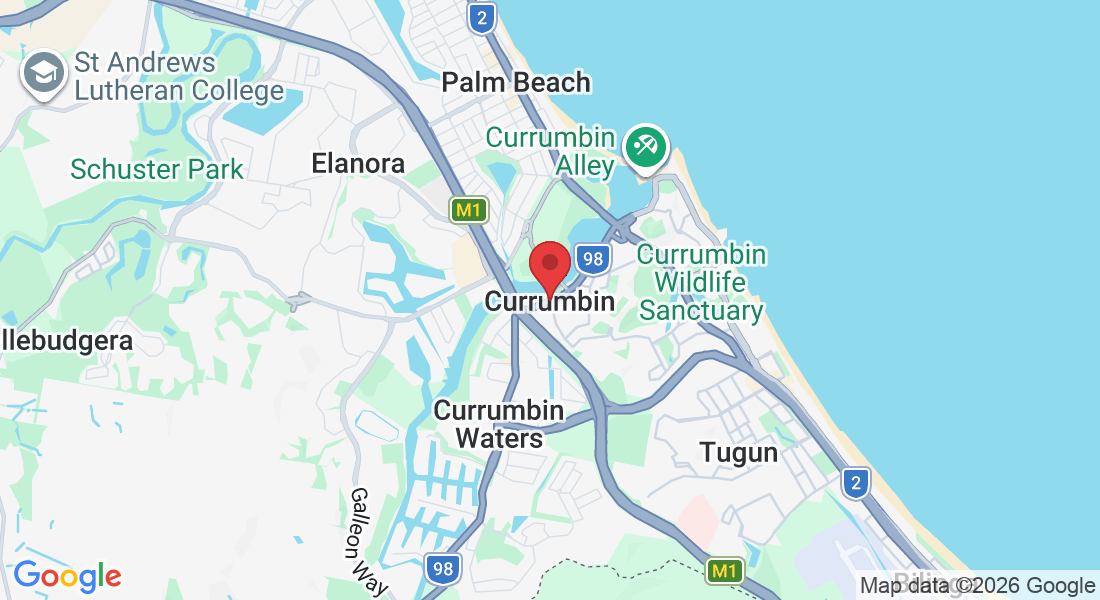
Currumbin, QLD, 4223, Australia
0435 219 425
Office hours: Monday-Sunday 7am - 6pm
Servicing: Brisbane, Gold coast & Northern Rivers
Currumbin, QLD, 4223, Australia
0435 219 425
Office hours: Monday-Sunday 6am - 9pm
Servicing: Brisbane, Gold coast & Northern Rivers


Quick links
Services
© Mould Mates. 2026. All Rights Reserved.