FAQs
We’ve been asked many questions about mould and how it is treated.
We know that mould remediation can feel daunting. There’s a lot of misinformation out there and many unqualified operators. We’re here to help. Mould Mates is an IICRC-accredited firm, qualified to the highest standards in professional mould remediation.
Click the button below to get a free quote within 24 hours

How much does mould removal or remediation cost on the Gold Coast?
Remediation cost depends on the extent of contamination, access, and how much material needs to be removed and reinstated, so an on-site assessment is the only accurate way to price it. We give you an itemised quote up front with no hidden costs, and we explain exactly what is driving the price before you commit.
Can I just clean it myself with something from the supermarket?
For a very small spot, sometimes. The problem is that surface sprays bleach the visible mould without killing the root structure on porous surfaces, and they do nothing about a moisture source feeding it. That is why DIY mould keeps returning. We assess what can be surface treated and what needs a deeper approach, so you get a lasting result rather than a cycle of re-cleaning.
Can you treat mould in my air conditioner or split system?
Yes, and it is worth doing. A split system that grows mould in the drip tray or shows dark spotting around the vents circulates spores through your home every time it runs. It is one of the most common hidden sources we find. We assess the unit, dismantle and deep clean it with non-toxic antimicrobial products, and can include it in a recurring plan.
How do you find the source of the mould?
We use visual inspection, moisture meters, thermal imaging, and building assessment to locate where moisture is getting in or building up. If necessary, we take air & surface samples and send them to a NATA certified lab for analysis. Once we have the full picture, we can perform invasive testing to find the mould. Treating mould without finding the moisture source is a waste of money, because it just grows back. Source first is the whole basis of how we work.
Do you remove the mould or just kill it?
It depends on the surface. Non-porous and some semi-porous materials can be treated and saved. Porous materials that the mould has rooted into usually need to be removed, because killing the surface growth still leaves contamination behind. We assess each material and situation then tell you what can be saved and what cannot.
Do I need to leave the house during treatment or remediation?
For treatments, only for a short period of a few hours, not days. For larger remediation jobs involving containment or removal of materials, we may recommend vacating temporarily, and we tell you that up front after assessing. We work around the rooms you need wherever we can.
How long does the work take?
Every job is different. A small property treatment with minimal colonisation can be done in a few hours, while a larger remediation involving material removal, drying and verification can take several days. We give you a clear timeframe in writing before we start.
Are the products you use safe for my family and pets?
Yes. We use professional-grade products designed for indoor environments, most of which are biodegradable and environmentally friendly, applied with controlled methods and proper safety precautions. We will always let you know if a particular job needs a specific re-entry time.
How do you stop mould from coming back, and do you offer ongoing maintenance?
We treat the mould and address the moisture cause, then give you a prevention plan covering ventilation and humidity. Because surface mould returns whenever the conditions are optimal, we also offer scheduled maintenance plans at a discounted rate, which keep it and your indoor air under control year-round. These are popular with owners, landlords and agents who would rather manage mould than keep reacting to it.
My rental has mould. Whose responsibility is it?
Mould in a rental can be the responsibility of the landlord, the tenant, or both, and it depends on the cause and on the tenancy laws in your state, which differ between Queensland and New South Wales. As a general guide, landlords are usually responsible for repairs like fixing leaks, and tenants are usually expected to ventilate the property and report problems promptly, but how that applies to your situation is a question for the relevant tenancy authority or a solicitor, not for us.
What we can do is the part we're qualified for: inspect the property, identify what's actually causing the mould, and give you a clear written report with photos and findings you can take to your agent, landlord, or tenancy body. In our experience, that documentation is what moves these situations forward.
Can you provide a report for my real estate agent, landlord or insurer?
Yes. Every job is documented, and for inspections we provide a written report with photos, moisture readings, the identified cause, and our recommendations. This is exactly what agents, landlords, body corporate committees and insurers need, and we can bill the appropriate party directly.
Is mould treatment or remediation covered by insurance?
Sometimes, particularly when the mould results from a sudden event like a burst pipe or storm. Cover depends on your policy and the cause, so we cannot promise what your insurer will do, but we provide the documentation that supports a claim: scope of work, photos, the standard followed, and verification.
Do you service my area?
We service Brisbane, the Gold Coast, and the Northern Rivers, including Currumbin, Burleigh, Robina, Southport, Surfers Paradise, Tweed Heads, Byron Bay, Ballina and surrounds. If you are not sure whether you are in range, just ask.
Is mould more dangerous for children, elderly people, or pets?
They can be more sensitive. Children, elderly people, pets, and anyone with asthma or a compromised immune system may react more strongly or for longer to mould exposure, which is one reason it is worth dealing with rather than leaving.
If you have health concerns it is best to consult your doctor.
How do I know you won't just find a problem and quote me thousands?
We follow the IICRC S520 standard. This means we document everything. We follow the set of international standards, photograph our findings and readings then compile them into a report. If you need further clarity, an independent hygienist can take samples and verify the mould before we begin any work.
I don't want someone judging how we live.
We are not here to judge. Mould is usually a building problem, not a cleanliness one, caused by moisture, ventilation and construction issues. Some of the worst cases we see are in near-new homes. It is about what is happening inside the structure, not how you keep your home.
What others are saying
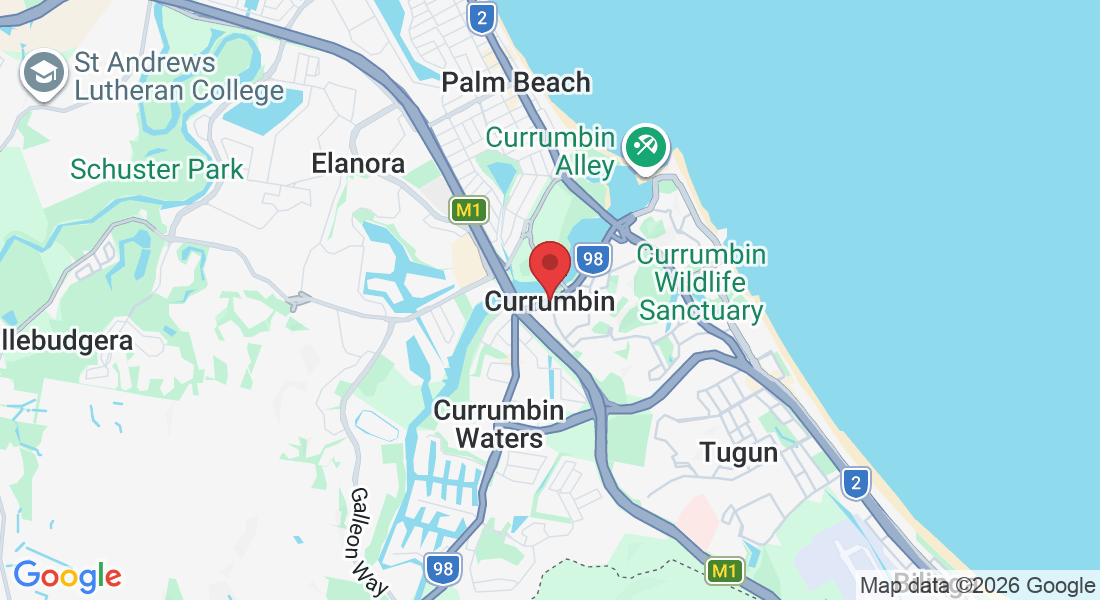
Currumbin, QLD, 4223, Australia
0435 219 425
Office hours: Monday-Sunday 7am - 6pm
Servicing: Brisbane, Gold coast & Northern Rivers
Currumbin, QLD, 4223, Australia
0435 219 425
Office hours: Monday-Sunday 6am - 9pm
Servicing: Brisbane, Gold coast & Northern Rivers


Quick links
Services
© Mould Mates. 2026. All Rights Reserved.