Mould remediation
IICRC S520 certified. Fix the cause, not just the surface.
When mould has been driven by a leak, flooding, or moisture trapped inside your walls, ceilings, or floors, wiping it off does not fix it. Remediation does. Once the source is fixed, we seal off the area, remove the contaminated materials, purify the air, and have the results verified to the international S520 standard, so the mould does not come back. Servicing Brisbane, Gold Coast, and the Northern Rivers.
Mould remediation is the professional removal of mould following the international ANSI and IICRC S520 standard. Unlike a surface treatment, remediation physically removes porous materials containing mould and removes mould from semi-porous, and non-porous materials and before and work takes place, addresses the moisture source that caused it. The affected area is sealed off and placed under negative air pressure before anything is touched, so spores cannot spread to clean parts of your home. The air leaving the zone is scrubbed and filtered, so it does not contaminate other areas.
This is the right approach for mould caused by leaks older than 48 hours, flooding, hidden mould inside cavities or grossly contaminated materials. It handles mild through to severe contamination. Where required, post-remediation verification is carried out, by an independent third party, to confirm the air and surfaces are free of mould before the job is signed off.
Click the button below to book an inspection

What sets us apart
Source-first: we identify the cause, not just the symptom
IICRC Certified Firm
Insurance-level documentation provided
Mould and water damage handled under one roof
Independent post-remediation verification available
Containment, negative air pressure, and HEPA air scrubbing
Treatment or remediation?
Some mould probelms are treatment jobs. Some are not. Being straight with you about the difference is how we keep your trust and your money spent efficiently.
Mould Treatment When:
The mould is on the surface, and hasn't been for long. In rooms like the bathroom, bedroom, wardrobe, or living areas.
It is driven by humidity and airflow rather than a leak.
There is no water staining or a known leak behind it.
You want the visible mould cleared and your air quality improved quickly and affordably.
Mould Remediation When:
There has been a leak running for more than about 12-48 hours, flooding, or a roof leak
Mould is inside a wall or ceiling cavity rather than on the surface.
There is water staining, swelling, or a leak that has not been fixed.
The affected area is large, or it is a health-sensitive situation.
The growth has been active for a long period of time or the mould is inside a porous material.
If your mould is on the surface and driven by humidity rather than a leak and isn't grossly contaminated, you likely need a treatment and a management plan, which is faster and more affordable. We will tell you honestly which one your situation calls for before any work begins.
Mould Remediation
The Process
Inspection & report
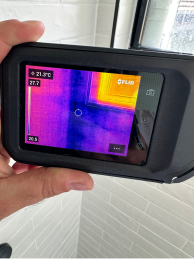
We inspect the property to identify the root cause of the mould.
Once causation has been determined, we prepare a recommended scope of work and, if required, coordinate with licensed specialist trades who fix the source of the issue, such as leaks or defects.
Containment
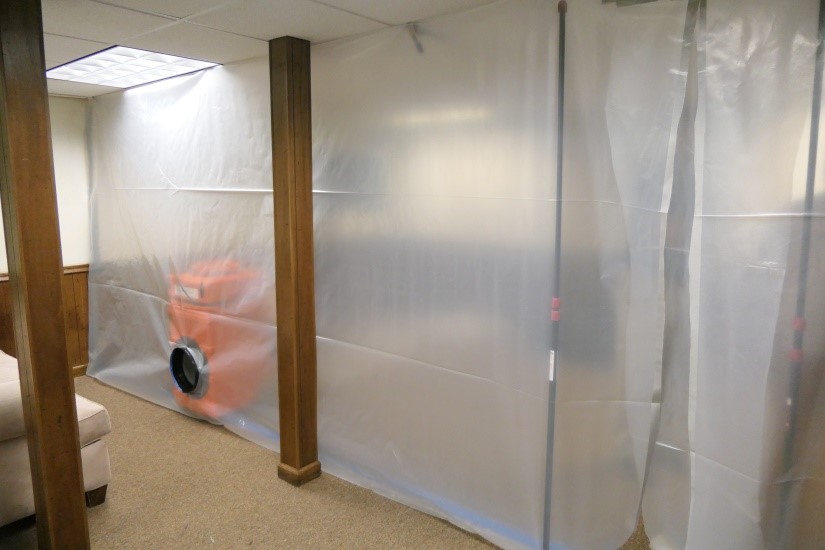
We make the area safe using S520 tape and air scrubbers, and we contain the contaminated area to prevent spores from spreading and stop cross-contamination.
Using thick plastic barriers and negative air pressure ensures no spread into uncontaminated spaces.
Fix root cause (leaking plumbing or roof ect.)
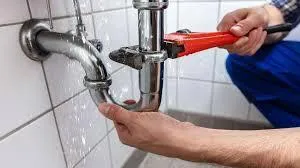
Use one of our highly professional, licensed and insured recommened trades to fix the root cause of the mould. Or, source your own trades to rectify the situation.
Once the source is fixed, Mould removal can begin.
Remove visible mould and porous mould contaminated materials
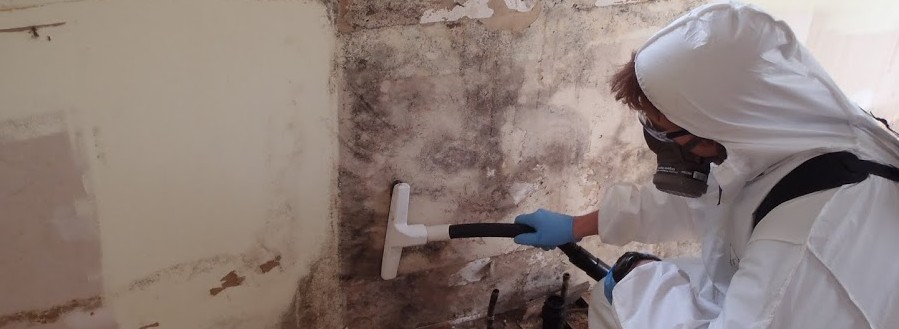
After the source is fixed:
We physically remove mould, sanitise and HEPA vacuum non-porous materials, and safely deconstruct and dispose of porous contaminated materials. This step is essential for a long-term fix — mould has root structures (hyphae) that penetrate porous and non-porous materials, and failure to remove contaminated materials can allow mould to regrow.
Purify air and remove spores
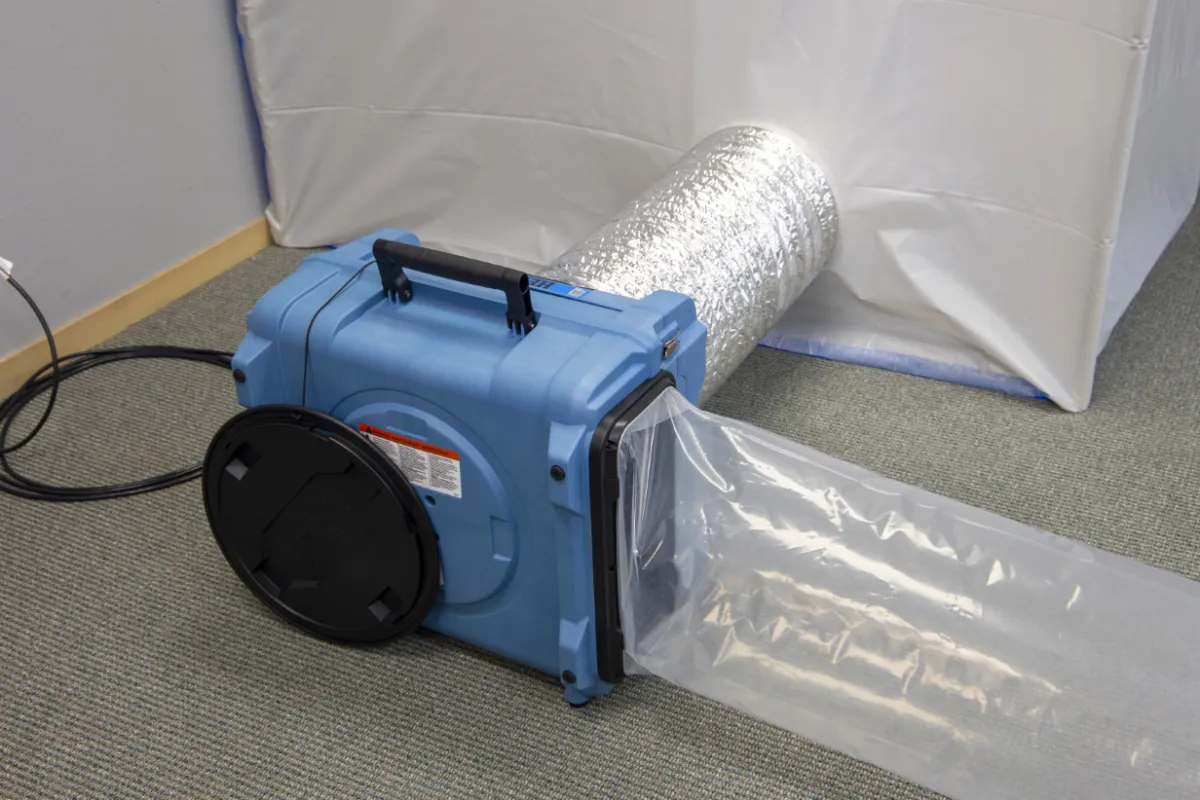
Once mould has been physically removed, we purify and scrub the air for a duration suited to the job, leaving the environment free of spores and helping prevent mould from returning.
Sanitise property
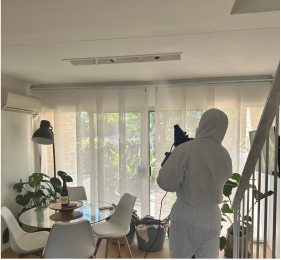
We then sanitise the entire property, inside and outside the containment zone, ensuring the space is clean and hygienic.
If required, a PRV (post remediation verification) report will be conducted by a third party to ensure the property has been returned to normal fungal ecology.
Deconstruct containment
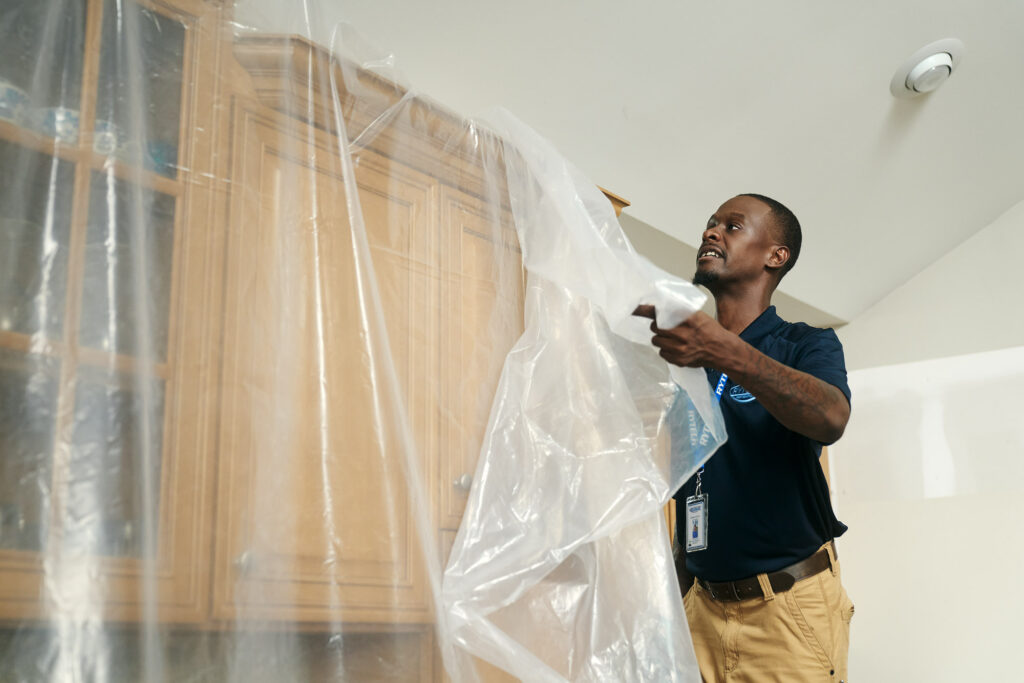
When your property is mould-free, sanitised and returned to normal fungal ecology, we deconstruct containment.
Replace porous mould infested materials
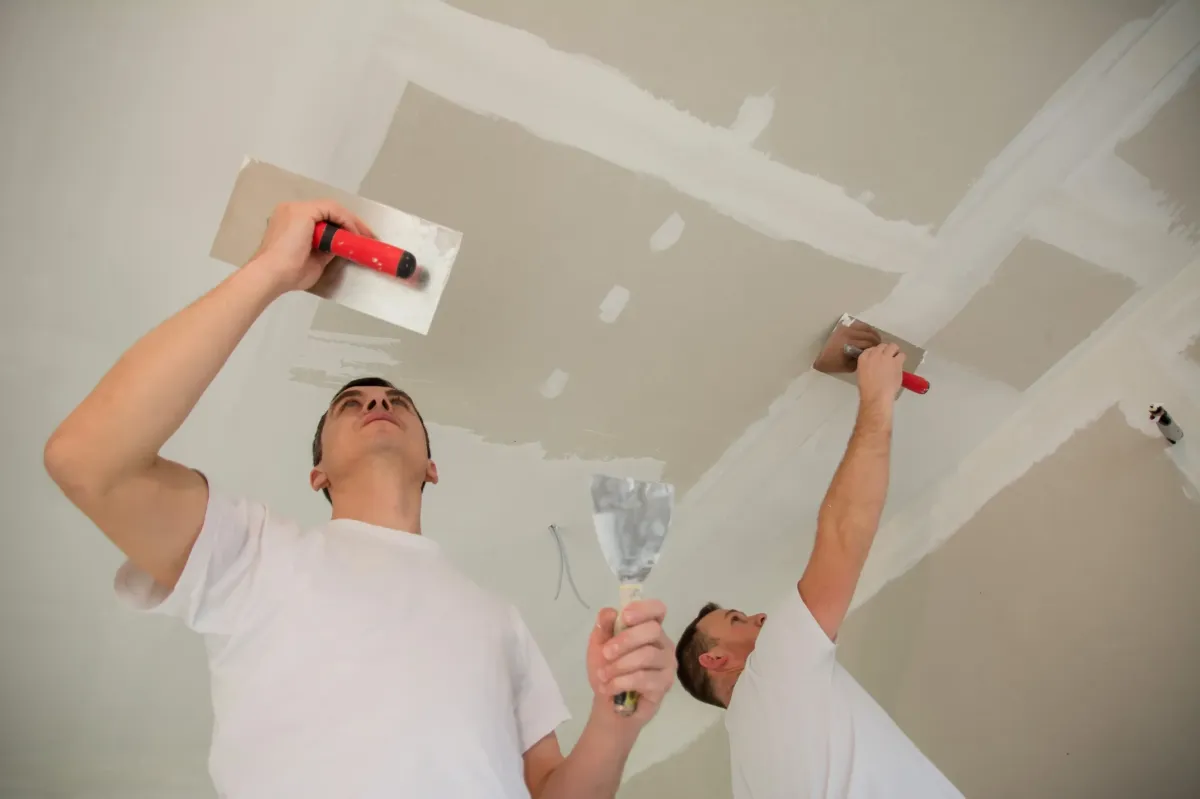
The final step is to reinstate the previously removed porous materials.
Once this is complete, your property is mould-free and restored to its original condition or better.
Common Questions
Why is remediation so much more expensive than a mould treatment?
Because it does far more. Treatment clears surface mould driven by humidity. Remediation deals with mould caused by leaks or flooding, or growing inside your walls, ceilings, or floors. It involves sealing off the area, putting it under negative air pressure, physically removing and disposing of contaminated materials, fixing the moisture source, purifying the air, and verifying the result to an international standard.
You are paying for the mould to be gone and proven gone, not removed from the surface and potentially still hiding in a wall.
What is the S520 standard and why does it matter?
S520 is the international standard for professional mould remediation, set by the IICRC. It defines how mould should be assessed, contained, removed, and verified. It matters because it is the difference between someone guessing and a documented, repeatable process that insurers, inspectors, and committees recognise. Mould Mates is an IICRC certified firm, which many local operators are not.
Can I just paint over it or use a mould bomb?
No. Paint over mould and it grows through the paint, because the root structure and the moisture are still there. Mould bombs and foggers knock down surface spores but do nothing about mould inside a wall cavity or the leak feeding it. For anything beyond surface mould, those are wasted money. If your problem is surface only, a professional treatment is the right call, not remediation.
What is containment and why do you seal off the area?
Containment is sealing the work zone with physical barriers and putting it under negative air pressure, so that when we disturb the mould, the spores cannot drift into clean parts of your home. Without it, remediating one room can contaminate the rest of the house. It is one of the core reasons S520 work is more involved, and more effective, than a spray and wipe.
Who fixes the leak, you or a plumber?
A plumber does. We can recommend which trades are needed to complete the job. Our scope it to safely and efficiently remove the mould. A plumber would be to fix a leak before we start work and a builder would need to reinstate the remediated area once we finish.
What is post-remediation verification?
It is the check at the end that proves the job worked. After remediation, the air and surfaces are assessed, often by an independent third party, to confirm they are free of mould before the job is signed off. It is your evidence that the problem is resolved, which matters for insurance, sales, and peace of mind.
How do I know the job is actually done and not just looking done?
Verification and documentation. We do not call it finished because the wall looks clean. The area is sanitised, the air is purified, and where required the result is verified by sampling or independent inspection. You receive documentation of what was found, what was done, and the final result. That is the difference between a job that looks done and one that is proven done.
Why Work With Us
Mould Mates was founded by Travis Ahern (Founder and CCO) and Nick Smart (Founder and Operations Manager). Travis holds the IICRC firm certification. Nick has 10 plus years of construction experience and is studying a bachelor's degree in Project Management.
We started in mould because we lived the problem ourselves, mouldy rentals, recurring health issues, and contractors who bleached the stain off and missed the cause. That is why we do it differently. We treat mould properly, we are honest about whether you need a quick treatment or a full remediation, and we would rather put you on a plan that keeps it gone than sell you the same job twice.
What others say about us
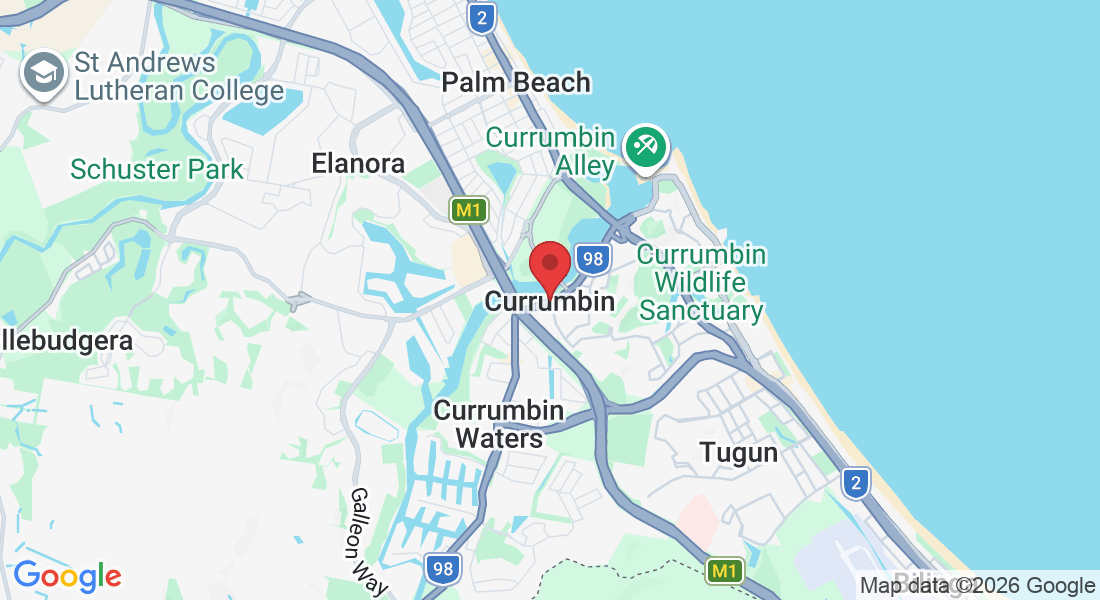
Currumbin, QLD, 4223, Australia
0435 219 425
Office hours: Monday-Sunday 7am - 6pm
Servicing: Brisbane, Gold coast & Northern Rivers
Currumbin, QLD, 4223, Australia
0435 219 425
Office hours: Monday-Sunday 6am - 9pm
Servicing: Brisbane, Gold coast & Northern Rivers


Quick links
Services
© Mould Mates. 2026. All Rights Reserved.